Coconut Palm Moss Pole Plant Support Stick 17.7 Inch for Indoor Climbing Plants Vines Monstera Pothos Natural Coconut Fibre Totem Pole


Coconut Palm Moss Pole Plant Support Stick 17.7 Inch for Indoor Climbing Plants Vines Monstera Pothos Natural Coconut Fibre Totem Pole
Coconut Palm Moss Pole 17.7 Inch for Indoor Climbing Plants and Vines
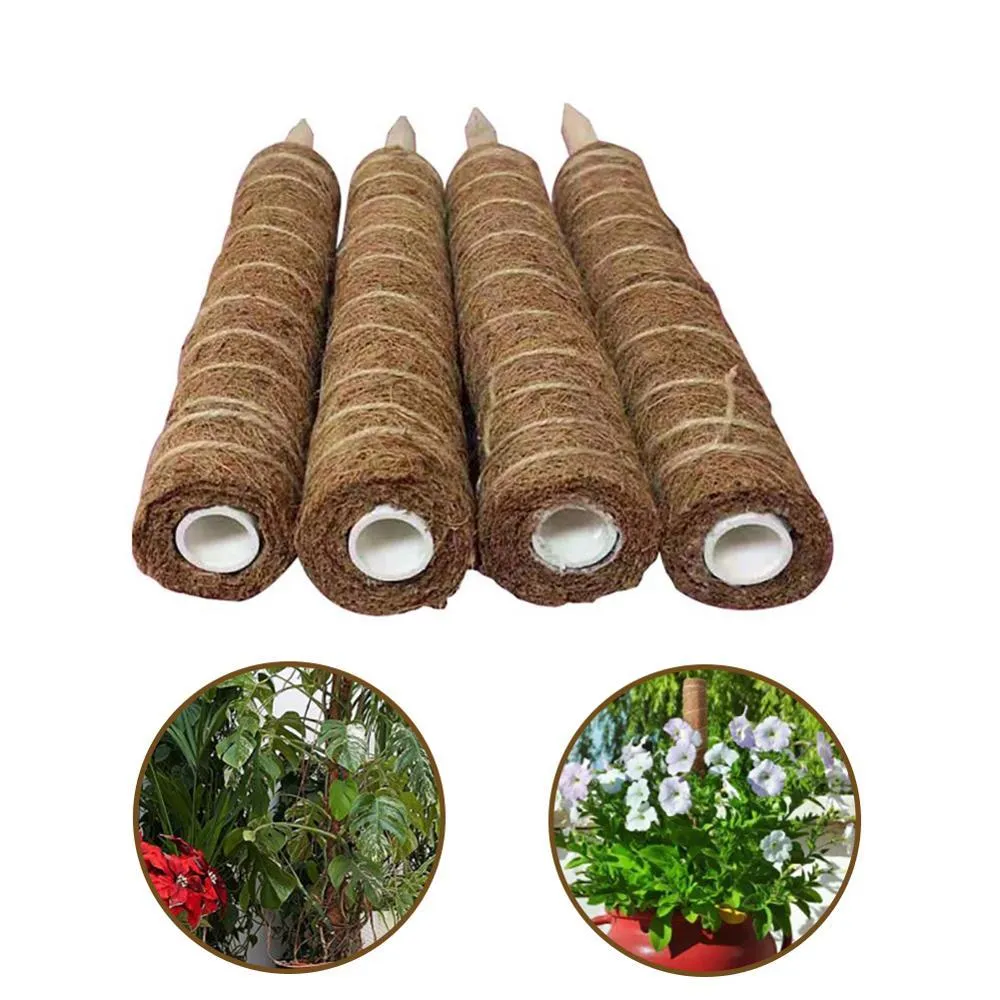
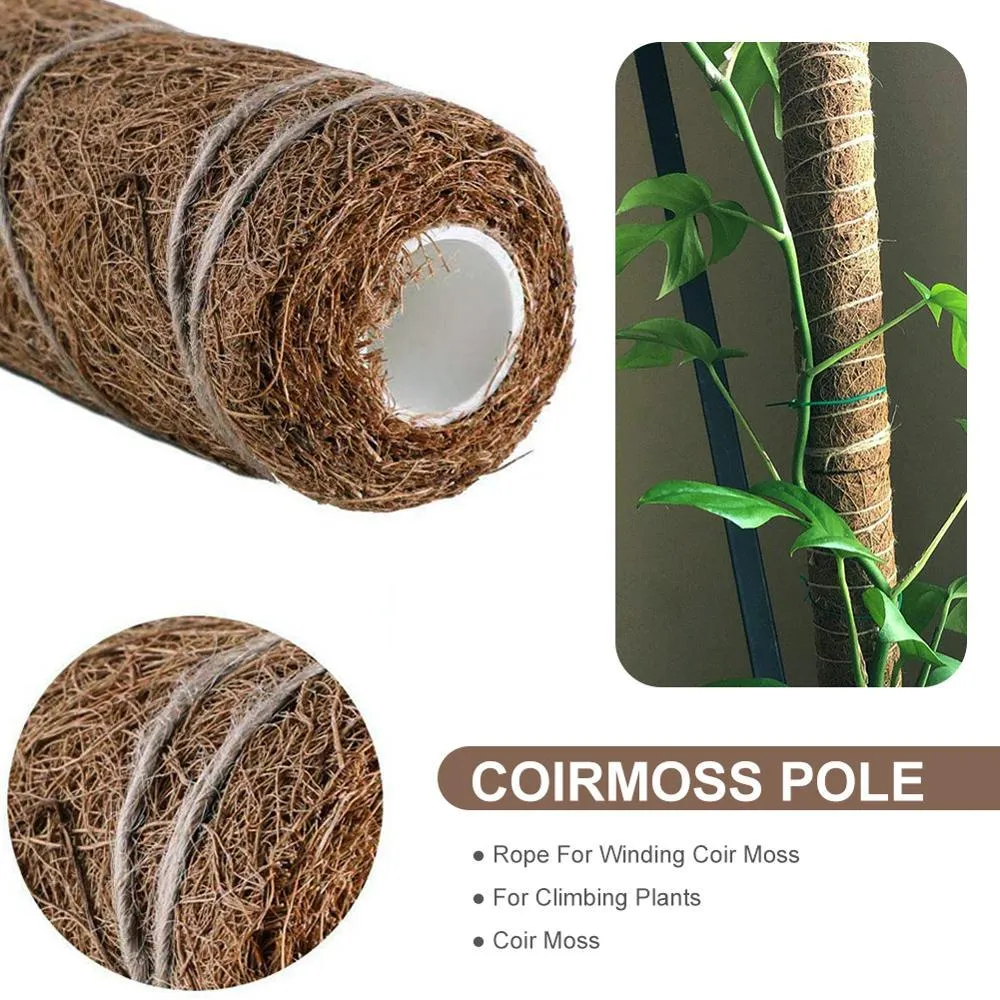
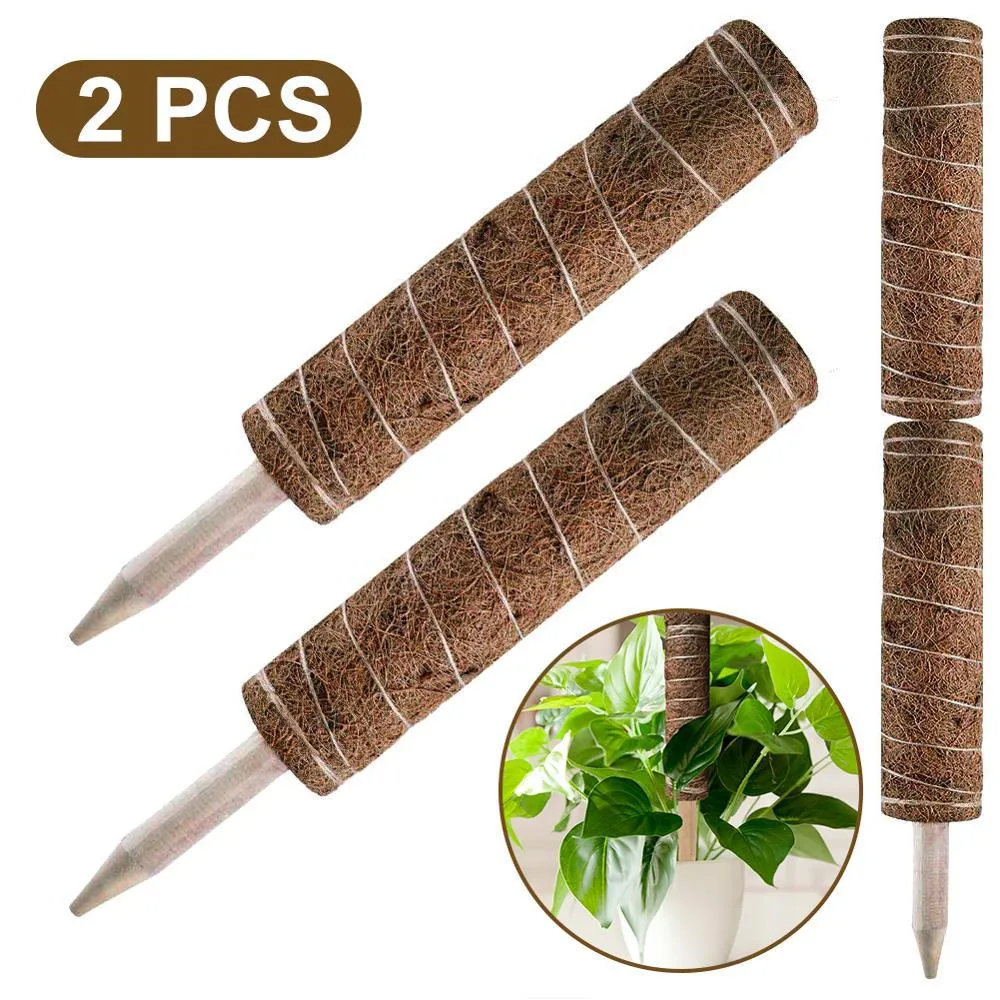
Indoor climbing plants can outgrow a small pot quickly, and without a vertical support their stems may trail along the floor or become tangled with nearby plants. This coconut palm moss pole is designed for indoor climbing plants and vines, using natural coconut moss fibre around a sturdy wooden post. The sharpened wooden pole pushes into the soil, while the rope-wrapped coconut shell and foam form a climbing surface that can be used again over time. Because the moss fibre is natural, it is intended to help retain water and nutrients around the climbing stem. The pole is available as a single 17.7 inch stick or as a two-piece set. Each coconut shell contains a PVC pipe, so one pillar can be inserted into another when you need more height. This makes the moss pole a practical frame for Monstera, Pothos, Philodendron and similar indoor climbing plants, whether you are training a young plant or extending a support run in a larger collection.
Features and Construction
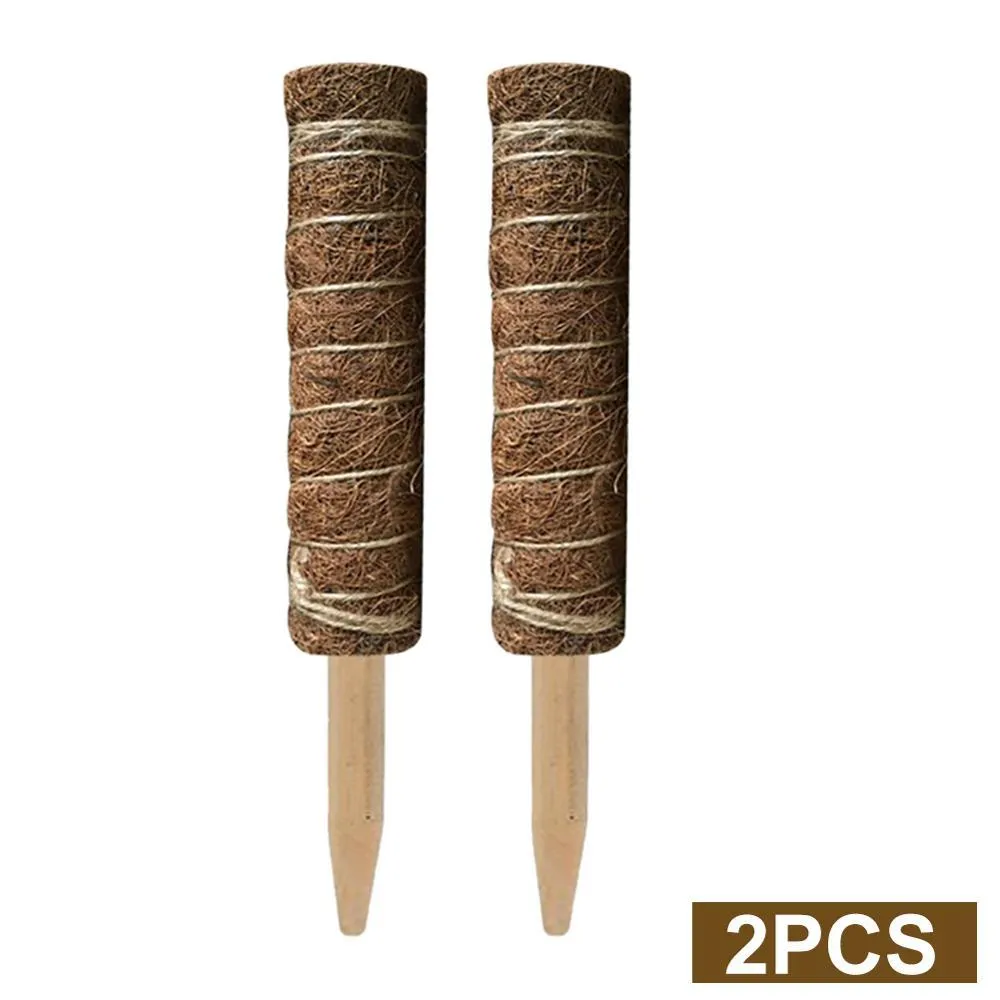
The structure combines a wooden upright, coconut moss fibre, foam, rope and a PVC connector. These parts work together to give climbing stems something to grip and to make the pole easier to insert, secure and extend. The coconut shell wrapping gives the pole a natural brown surface, while the rope holds the foam and shell in place. The wooden pole is sharp for soil insertion and firm enough to support expanding plants during normal indoor growing.
Material and Build
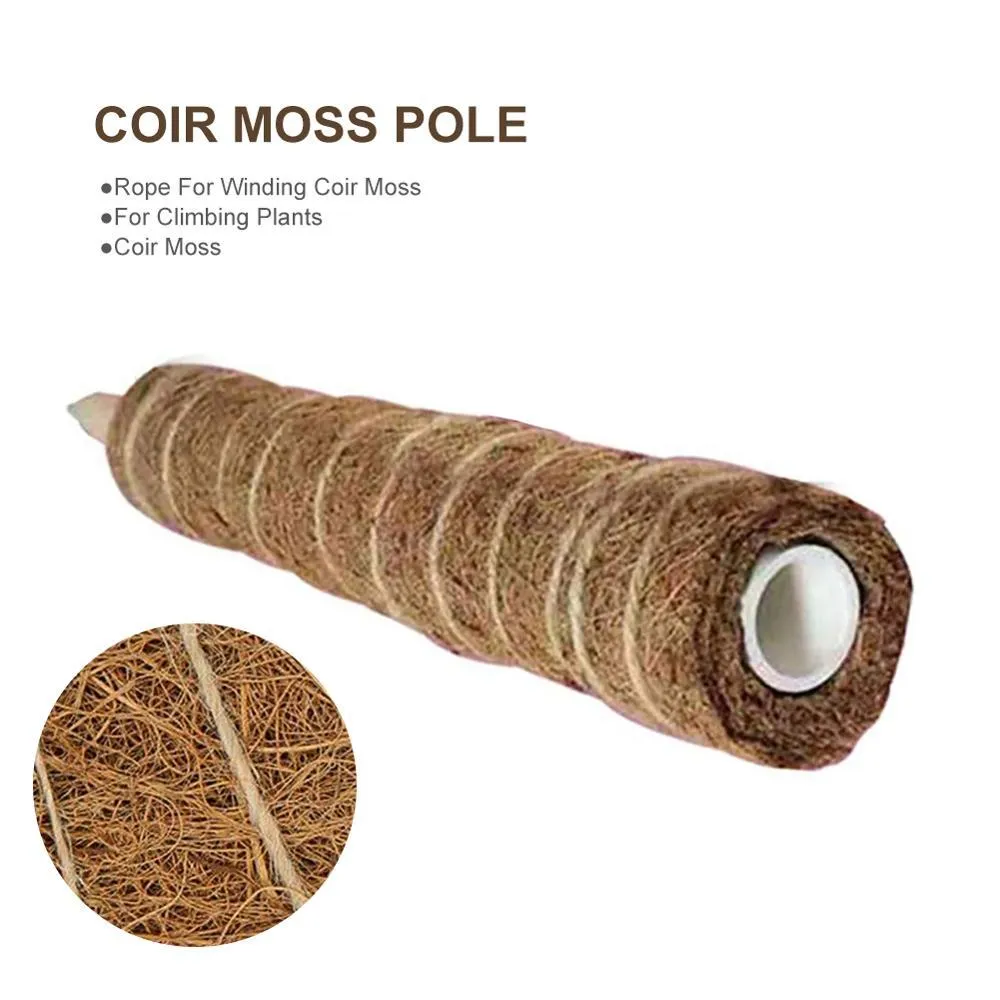
The main materials are natural coconut moss fibre, a wooden pole, rope, foam and PVC pipe. The coconut moss fibre forms the outer climbing surface and is intended to help hold water and nutrients close to the plant stem. The wooden pole provides the upright support and has a pointed end for pushing into compost. The rope wrapped around the post secures the foam and coconut shell, so the climbing surface stays together during use. The PVC pipe inside each coconut shell is used for joining poles end to end when more height is needed.
Size and Practical Fit
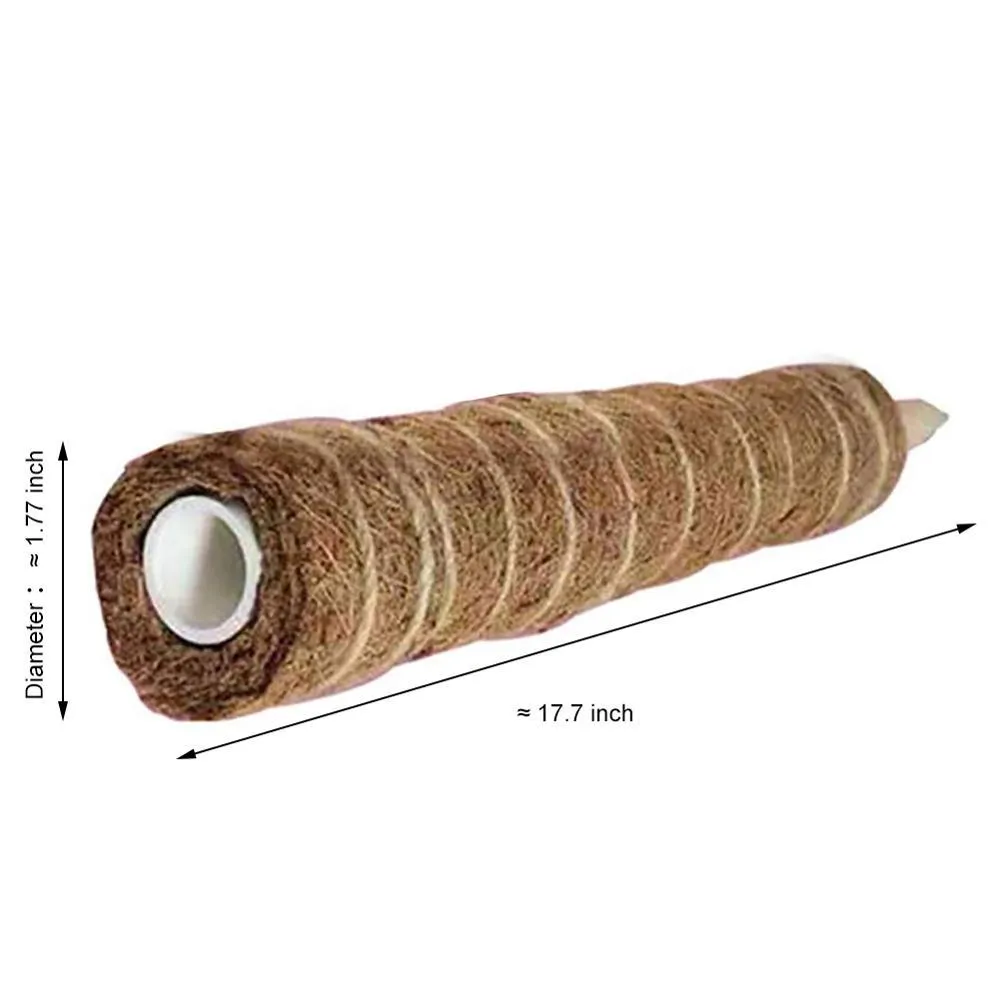
Each coconut stick measures 17.7 inches in height. That size suits a pot placed on a shelf, windowsill, desk or plant stand, and it gives a manageable first support for a young climbing plant. Because each coconut shell contains a PVC pipe, one pillar can be inserted into another to create a taller run without changing to a different support type. The pole is supplied in a 1pcs or 2pcs option, so you can choose a single stick or a two-piece set depending on how many plants you are training. No other dimensions are stated in the source information.
Uses and Placement
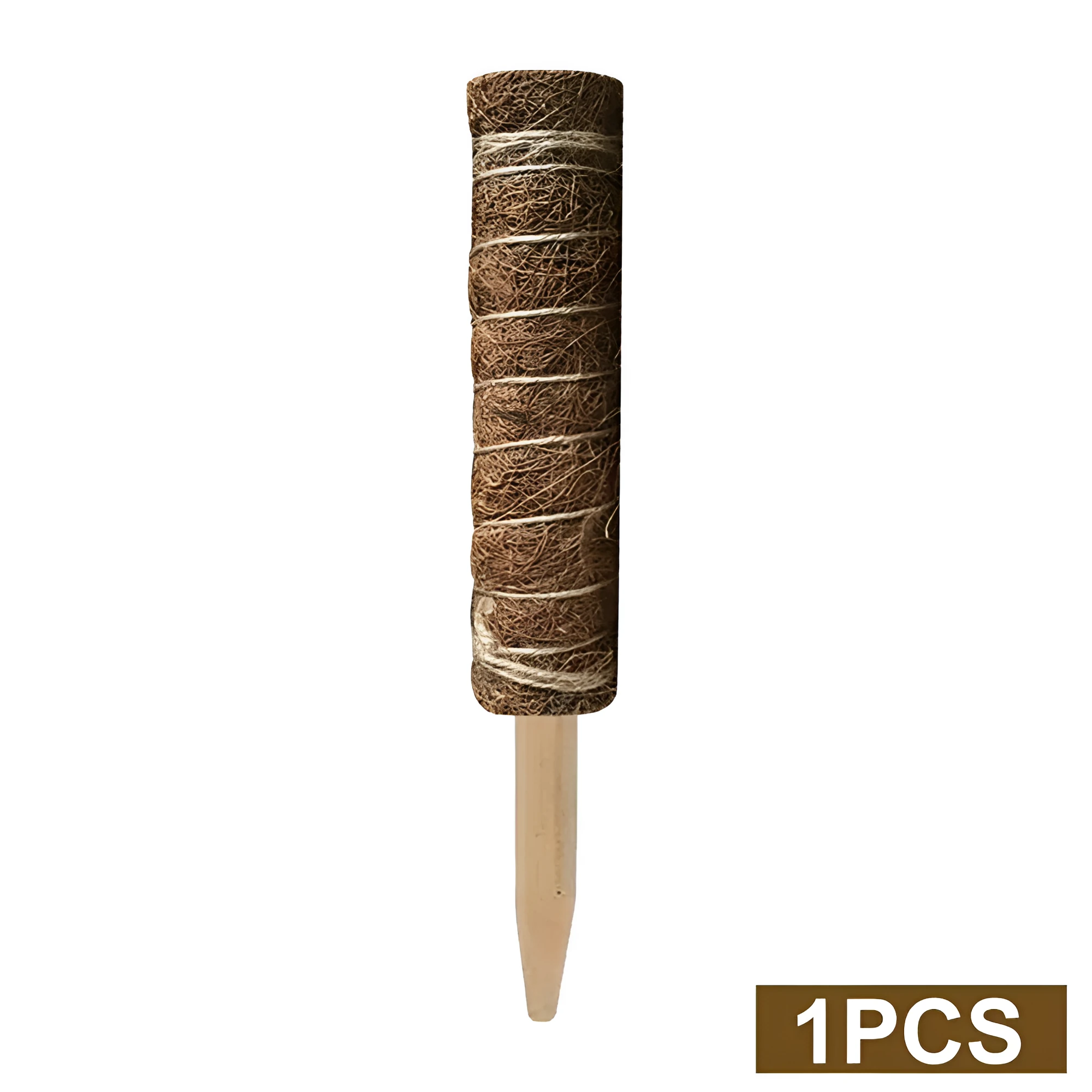
This coconut cane totem pole is intended as a holder for various indoor climbing plants. It can be used as a coconut stick, plant climbing frame, flower frame or coconut moss stick for plant frame expansion. It is suited to climbing plants and vines in indoor settings where a vertical support is needed. The wooden point makes insertion into soil straightforward, while the natural coconut surface gives stems a textured area to lean into as they grow.
Event or Professional Use
Plant displays in indoor Plant collections, conservatories, reception areas and shop displays may use supporting poles to keep climbing plants upright and tidy. This coconut stick can be used where a natural-looking support is preferred, and the 17.7 inch height makes it suitable for smaller arrangements or for starting a taller support run. Multiple sticks can be joined through the PVC pipe when a longer vertical frame is required. The materials are stated as coconut moss fibre, wood, rope, foam and PVC, so the pole can be incorporated into indoor plant styling without introducing a plastic-only appearance.
Everyday Home Use
At home, the pole is useful for houseplants that naturally climb, including vines and creeping varieties. It can be placed in a pot and used to guide stems upward, which may help keep leaves away from the floor and reduce tangling with nearby plants. The 17.7 inch size suits a windowsill, shelf or small plant stand. Regular watering and misting can continue as normal for the plant, and the moss fibre is intended to help retain water and nutrients around the stem. If the plant outgrows the first stick, a second pillar can be inserted through the PVC pipe to extend the support.
Benefits and Buying Value
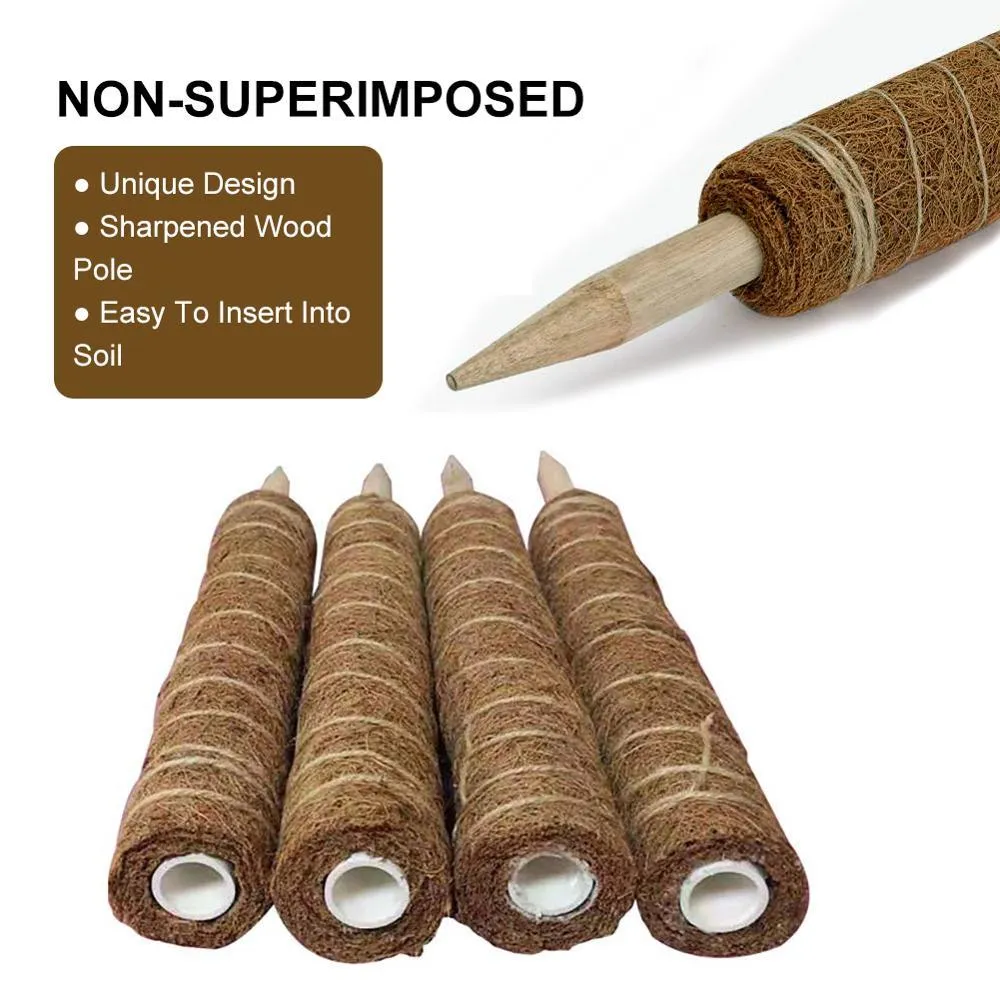
The practical benefit of this moss pole is that it gives climbing plants a defined vertical structure while using natural coconut moss fibre as the climbing surface. The wooden pole is made to be inserted into soil, the rope keeps the foam and coconut shell fixed to the post, and the PVC pipe allows for straightforward height extension. For indoor growers who want a reusable support rather than a disposable alternative, these features support repeated use across a growing season and beyond.
Reuse and Low Maintenance
The rope-wrapped construction is intended to hold the foam and coconut shell firmly on the post, so the pole can be used for a long time. It does not require specialist care from the source information; normal watering and misting around the plant are sufficient. The coconut moss fibre may hold water and nutrients near the stem, which fits regular indoor plant routines. When the pole is no longer needed for one plant, it can be moved to another pot if it remains in usable condition. The PVC pipe connector also allows the same support to be extended rather than replaced when extra height is required.
Why Choose This Product
This coconut palm stick is a focused plant support for indoor climbing plants and vines. Its key details are the natural coconut moss fibre surface, the sharp wooden pole for soil insertion, the rope securing the foam and coconut shell, the 17.7 inch height, and the PVC pipe that lets one pillar slot into another. It is available in 1pcs or 2pcs styles, making it easy to match the number of plants you are training. For anyone looking for a straightforward climbing frame, flower frame or coconut moss stick, these source-supported features provide a practical basis for choosing the pole.