
Deposit Journal 54K Paper Bank Checking Account Book for Personal Finance Record Keeping and Expense Tracking


Deposit Journal 54K Paper Bank Checking Account Book for Personal Finance Record Keeping and Expense Tracking
54K Paper Deposit Journal for Bank Checking Account Records
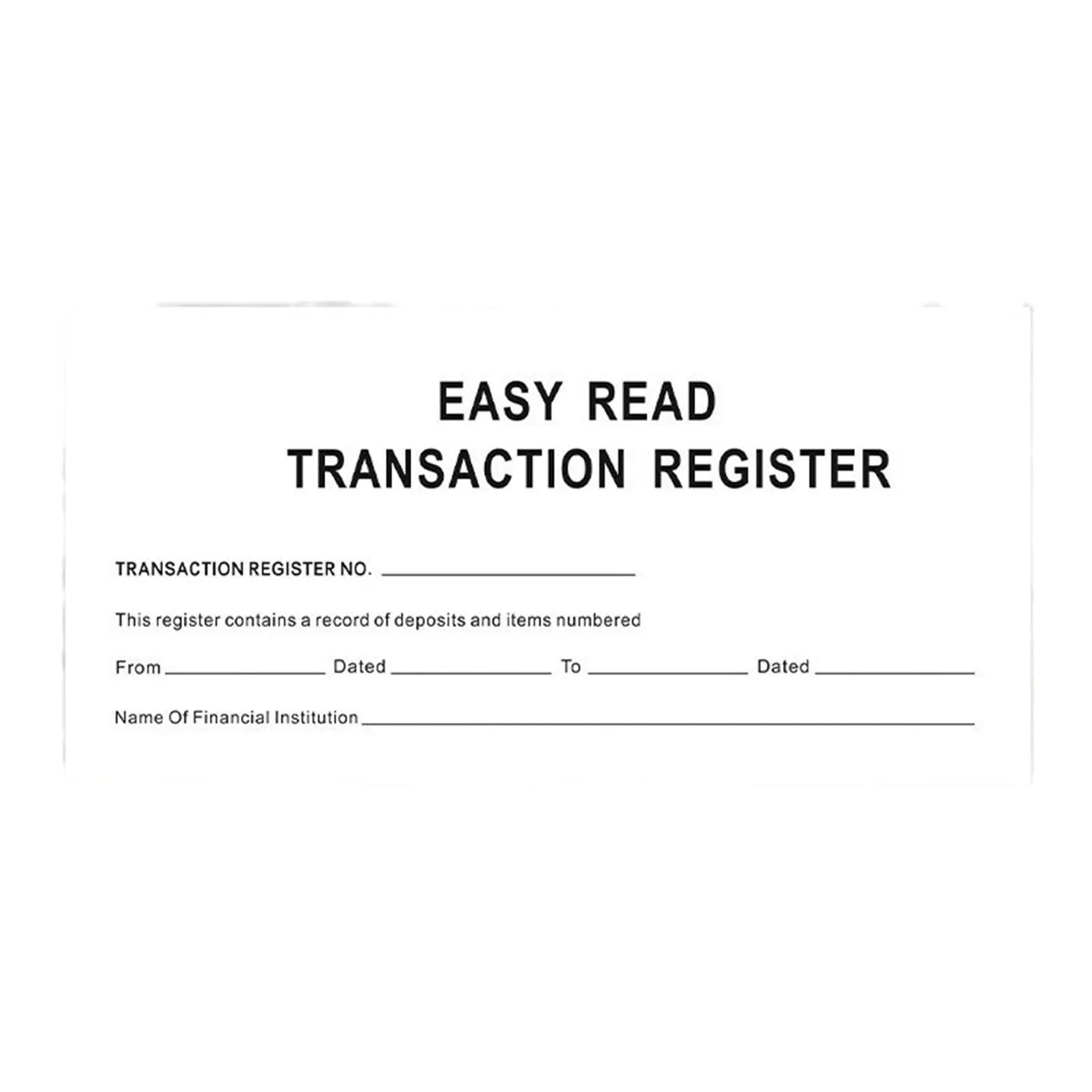
This 54K paper deposit journal is a straightforward way to keep handwritten records of bank checking account activity. If you already use online banking but want a physical backup, this journal gives you a single place to note deposits, withdrawals, and running balances. The source text specifies a deposit journal type, paper material, and 54K specification, with one journal included. That makes it a simple, low-tech record book rather than a complex financial system. It suits people who prefer writing entries by hand and keeping their notes together. There are no digital features to learn and no power source required. The compact 54K format is intended for easy storage, so the journal can stay near your other paperwork. Because the available data is limited to paper, 54K, and one journal, this description focuses on those concrete facts and avoids claims about page counts, ruling styles, or cover material that the source does not provide.
Features and Construction
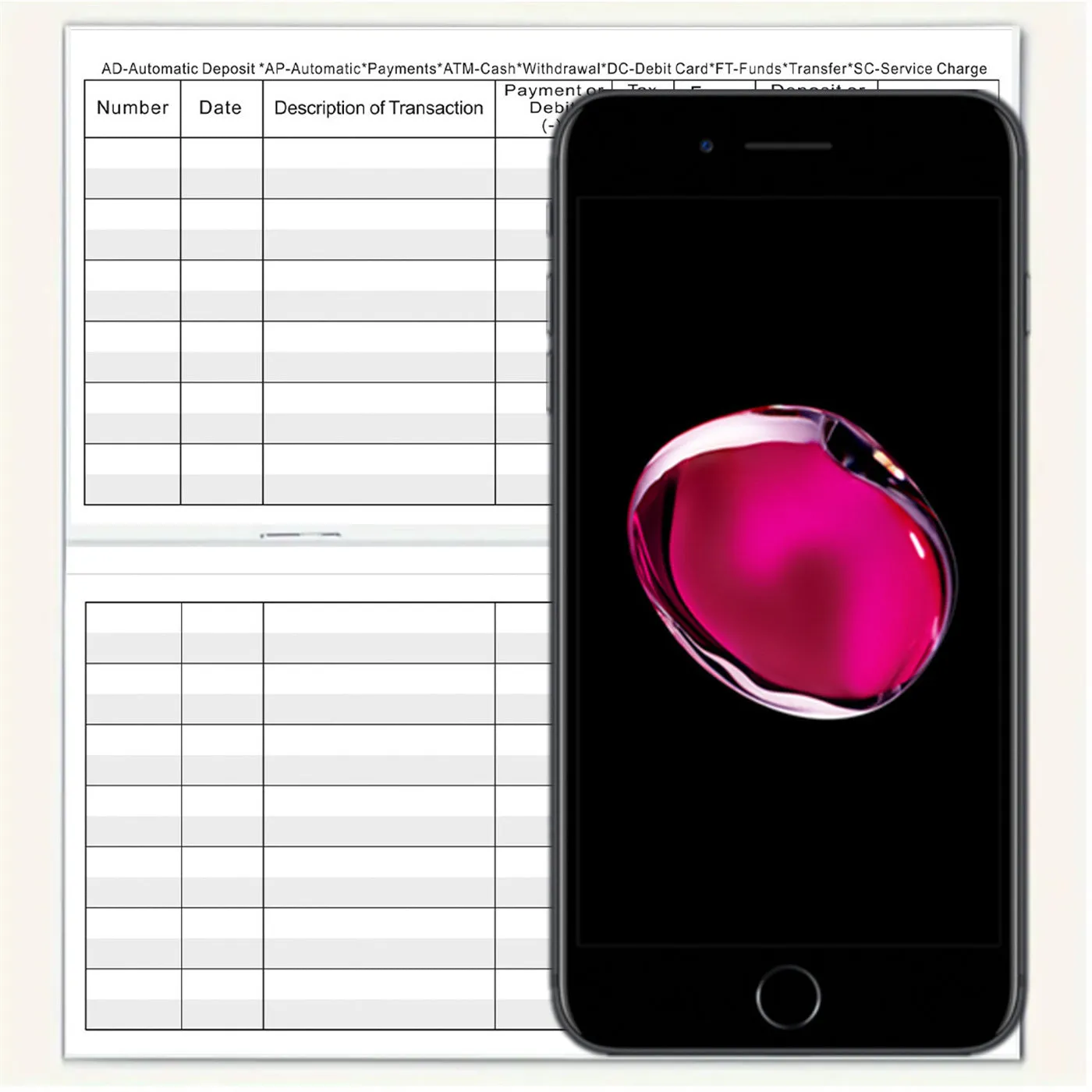
The core construction is a paper journal in a 54K specification. That combination points to a lightweight record book for handwritten entries. The source lists one journal in the packing list, so the product is a single notebook rather than a multi-pack. Its purpose is deposit journal record keeping, which typically involves writing dates, amounts, and balances. No additional materials, closures, or binding details are supplied, so the practical focus stays on the paper pages and their role in manual tracking.
Material and Build
The stated material is paper. Paper pages are suitable for pen or pencil entries, making the journal easy to use for everyday financial notes. Because the source does not specify paper weight, coating, or binding type, no claims are made about tear resistance or archival quality. The journal is simply a paper-based book for writing down transactions. This low-key construction suits anyone who wants a physical record without extra features. It can be kept with bank statements, receipts, or a household budget folder, provided it is stored in a dry place.
Size and Practical Fit
The 54K specification is the only size detail given. This format is generally associated with compact notebooks, so the journal should fit into a drawer, filing tray, or bag without taking up much room. No exact centimetre or millimetre dimensions are stated, so measurements cannot be listed beyond 54K. The compact size is relevant for people who need to record transactions at a desk or while reviewing statements at home. It also makes the journal easy to store alongside other financial documents when not in use.
Uses and Placement
A deposit journal is used to track money moving in and out of a checking account. The 54K paper format supports handwritten notes, which can be helpful for people who like a written backup. This section covers realistic ways to use the journal and where it might be kept. The source does not describe any specialised business accounting features, so the suggestions here stay within general personal record keeping.
Event or Professional Use
For small errands, market stalls, or club treasuries, a handwritten deposit journal can serve as a simple log of incoming payments and bank deposits. The paper pages allow you to write a date, reference, and amount in a few seconds. Because the journal is a single paper item with a 54K specification, it can be carried in a bag or kept in a cash box. It does not replace official bank records, but it can provide a written note of deposits made during the day.
Everyday Home Use
At home, this journal can sit near a desk or household filing area for recording checking account deposits and withdrawals. It gives you a place to note transactions as they happen, rather than relying only on memory or a banking app. The paper format is familiar and requires no setup. Since only one journal is included, it can be dedicated to a single account or used as a general deposit log. Keeping it in a dry drawer helps protect the paper from moisture and spills.
Benefits and Buying Value
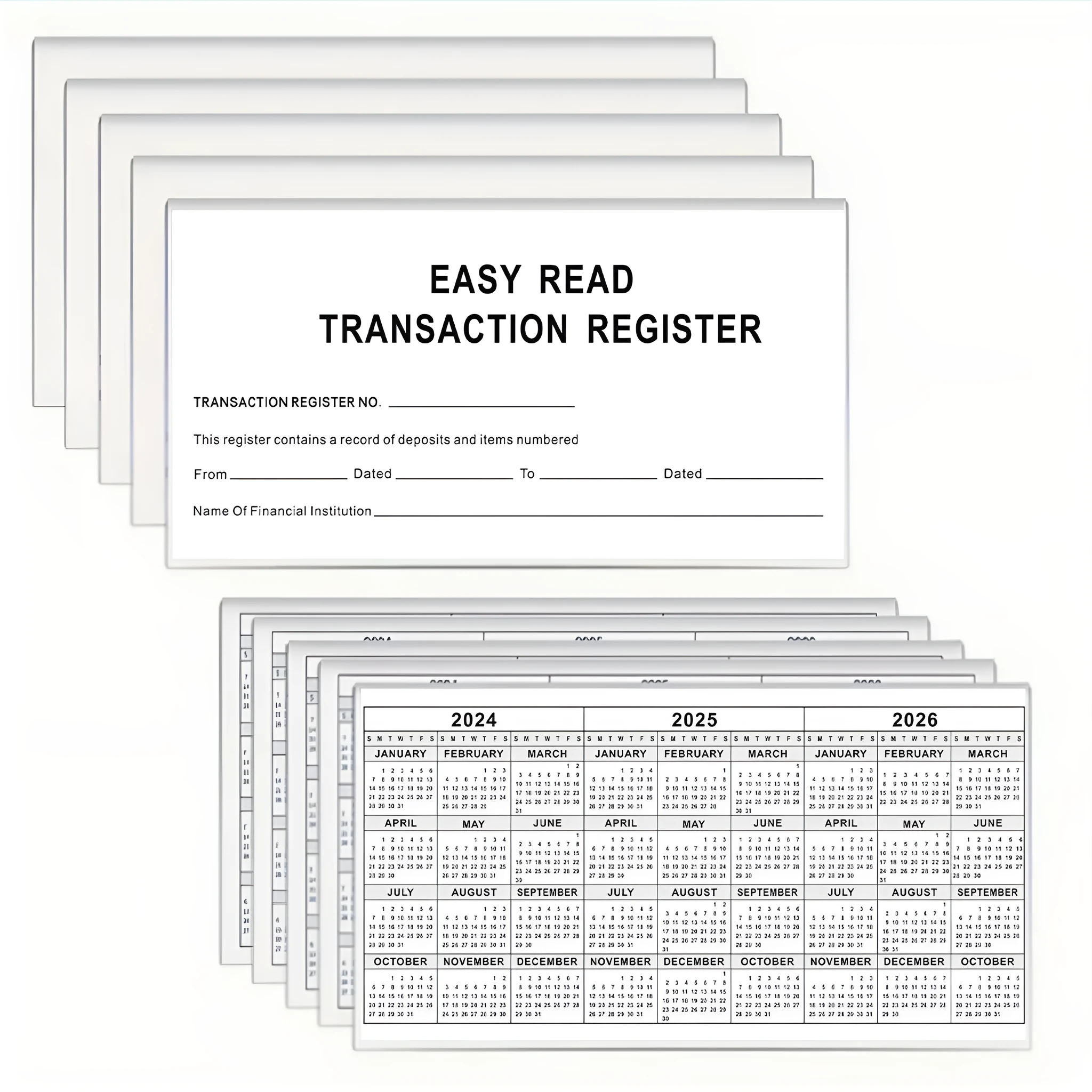
The main value of this product is its simplicity. It does not need charging, syncing, or software updates. The paper pages are ready for immediate use, and the 54K size keeps it compact. Because the source does not provide price or longevity data, the value here is described in terms of practical use and low maintenance rather than cost savings. The single journal format also means there is no surplus packaging or extra items to store.
Reuse and Low Maintenance
Maintenance is minimal: keep the journal dry and write with a normal pen or pencil. There are no mechanical parts, batteries, or digital screens to maintain. The paper material means the journal does not require cleaning solutions or special storage beyond a dry place. Once filled, it can be kept as a record or replaced with another journal. The source does not state a page count, so how long it lasts depends on how frequently you write entries.
Why Choose This Product
Choose this deposit journal if you want a paper-based way to track bank checking account activity without extra features. The 54K specification makes it compact, and the paper construction keeps it simple to use. It is supplied as one journal, according to the packing list. It suits personal finance tracking, small cash logs, and anyone who prefers handwriting to typing. No claims are made about waterproofing, page quantity, or premium materials because the source does not mention them.