
Hydraulic tube expander refrigeration tool crafted from high-strength alloy steel, VG-300 style model for maintenance tasks, designed for expanding copper and aluminium tubing in cooling system repair and installation work


Hydraulic tube expander refrigeration tool crafted from high-strength alloy steel, VG-300 style model for maintenance tasks, designed for expanding copper and aluminium tubing in cooling system repair and installation work
VG-300 Hydraulic Tube Expander for Refrigeration System Maintenance and Repair Work
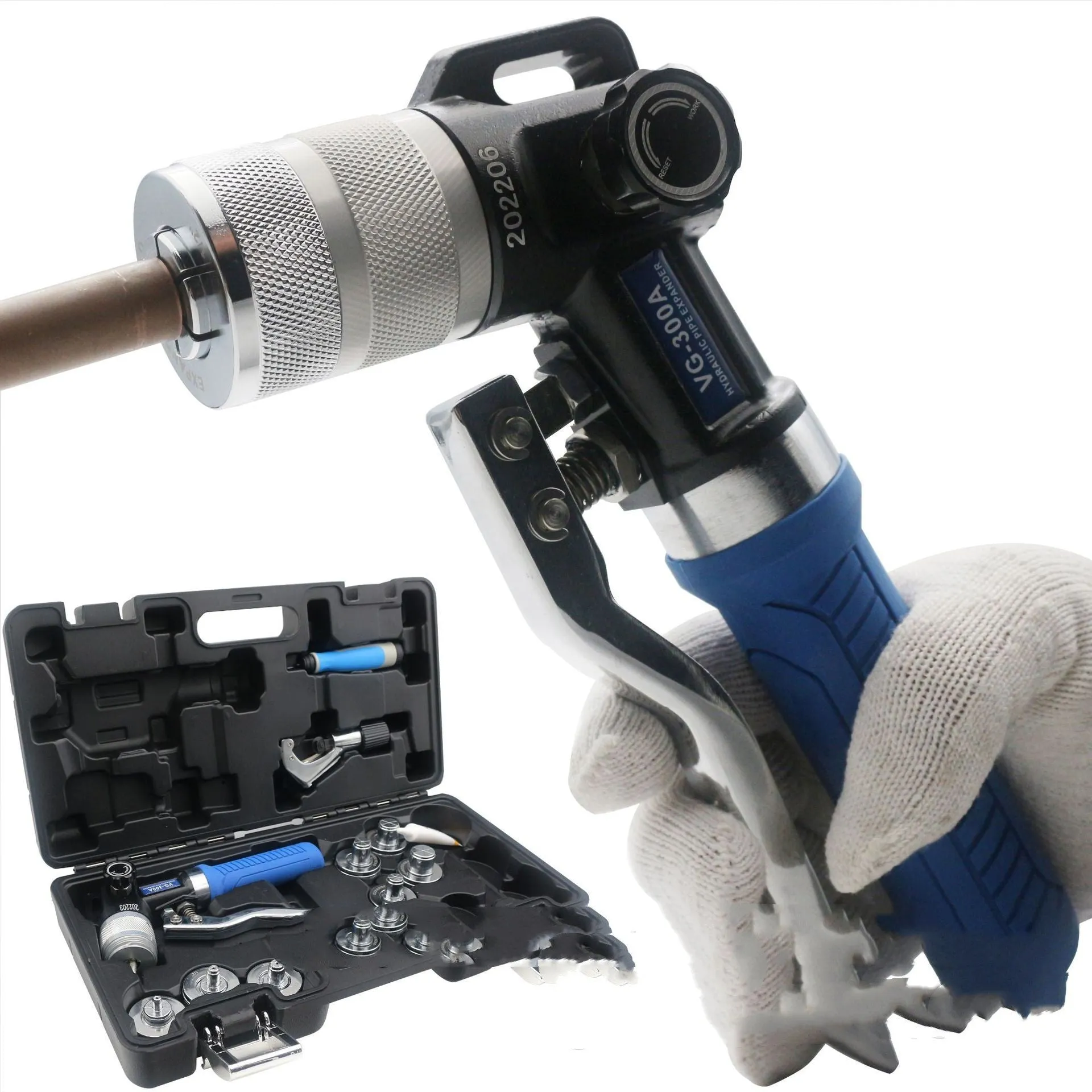
This hydraulic tube expander is a specialist tool for technicians and engineers working on the installation, maintenance, and repair of refrigeration and air conditioning systems. Its primary function is to create a clean, uniform flare on the ends of copper and aluminium tubing, which is a critical step for forming leak-proof connections in cooling circuits. The VG-300 model is built from high-strength alloy steel, a material choice that contributes to the tool's ability to withstand the repeated mechanical stresses involved in tube expansion. It is designed for professional use in workshops and on service calls, providing a controlled method to prepare tubing for fittings without damaging the pipe material.
Features and Construction

The core construction of this tube expander centres on its durable material and hydraulic mechanism. These elements are specified to meet the demands of refrigeration tool maintenance, a field that requires reliable, precise equipment. The following sections detail the practical aspects of its build and application.
Material and Build
The tool body and critical working components are made from high-strength alloy steel. This material selection is for practical resilience, offering resistance to deformation under the high forces generated during the hydraulic expansion process. It is a common choice for professional-grade tools where longevity and consistent performance are priorities in maintenance environments.
Size and Practical Fit
The source information does not provide specific dimensions, weight, or compatible tube diameter ranges for this VG-300 style expander. In practice, such a tool would be selected based on the standard tubing sizes encountered in refrigeration work. Its design is focused on the functional task of tube expansion rather than compact storage, and it is supplied as a single unit ready for use.
Uses and Placement

This tool has a defined role within the broader context of HVAC-R (Heating, Ventilation, Air Conditioning, and Refrigeration) service. Its use is tied to specific technical procedures rather than general DIY tasks, positioning it as equipment for skilled tradespeople.
Event or Professional Use
The primary application is within professional refrigeration tool maintenance. This encompasses repair jobs on commercial chillers, air conditioning units, and cold storage systems. Technicians would use it on-site to repair broken lines or in a workshop setting when refurbishing system components, ensuring new tubing connections are correctly prepared for brazing or mechanical fitting.
Everyday Home Use
This hydraulic tube expander is not typically an everyday home tool. Its use is highly specialised to cooling system work. It may be relevant for advanced DIY enthusiasts undertaking significant projects like installing a mini-split air conditioning system, but it is primarily intended for trade professionals.
Benefits and Buying Value

The value of this tool lies in its targeted functionality and durable construction, which supports efficient and reliable work practices for those in the relevant trades.
Reuse and Low Maintenance
The high-strength alloy steel construction suggests a tool built for reuse over many jobs. Proper cleaning and storage after use would constitute its basic maintenance. The hydraulic system may require occasional checking or servicing according to standard tool care practices, though specific instructions are not provided in the source material.
Why Choose This Product
This VG-300 style hydraulic tube expander is a fit-for-purpose choice for professionals who need a dedicated tool for expanding copper and aluminium refrigeration tubing. The material specification indicates a focus on durability for workshop use. When selecting this tool, users are prioritising a specific, task-oriented piece of equipment for system maintenance and installation work.
