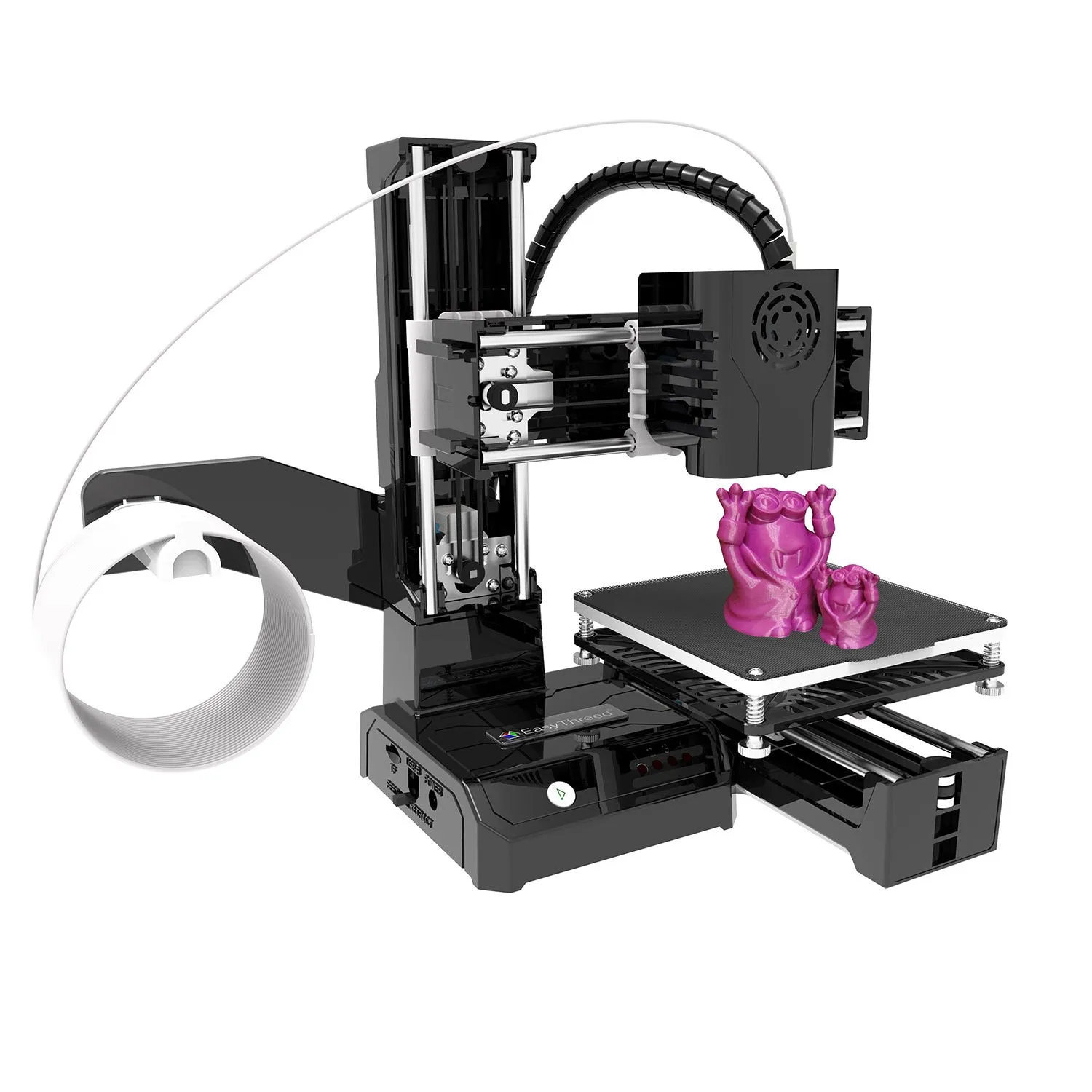
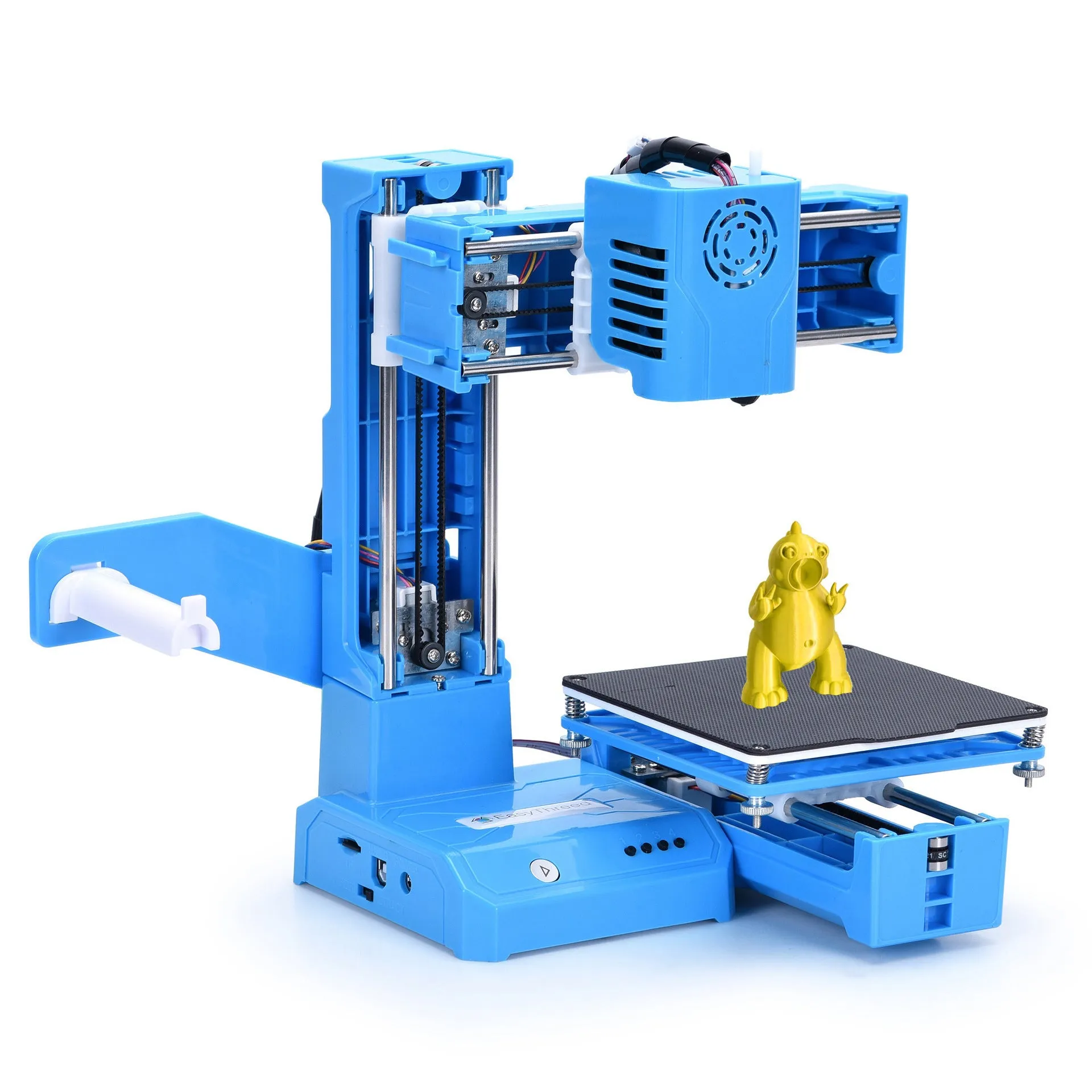
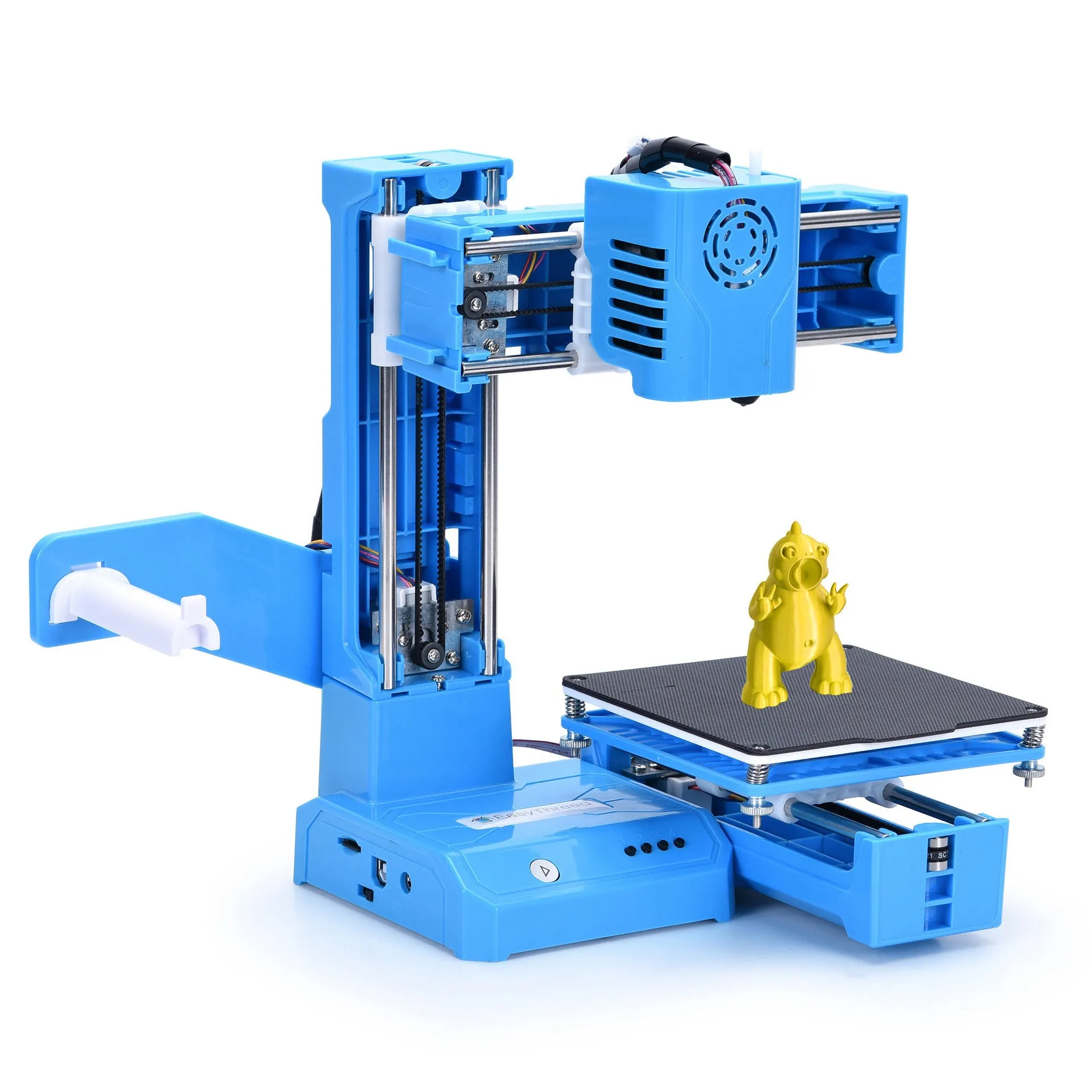
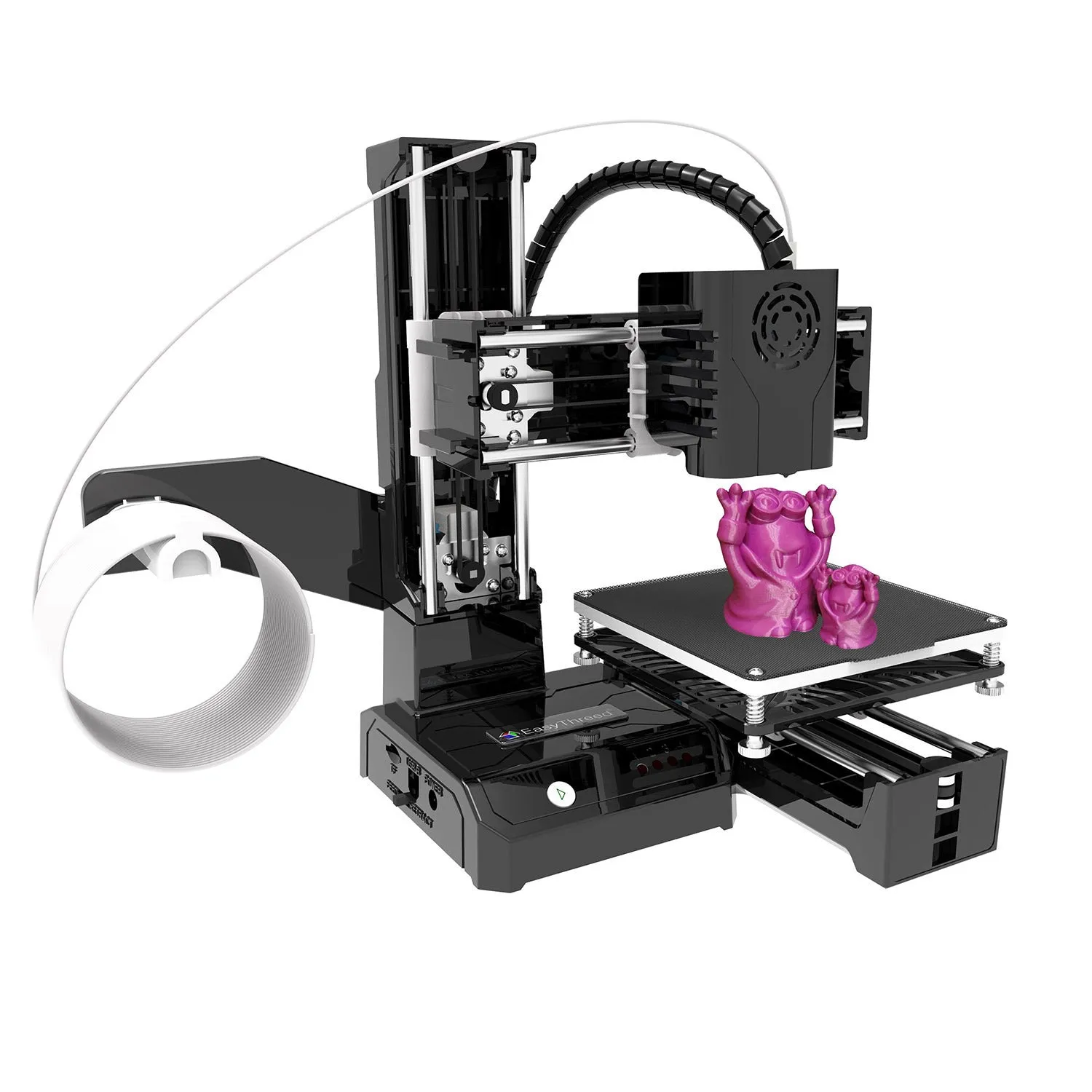
Mini 3D printer for small-scale model making with 100x100mm print size, FDM technology, 0.4mm layer thickness, and compatibility with PLA filament across multiple international plug standards


Mini 3D printer for small-scale model making with 100x100mm print size, FDM technology, 0.4mm layer thickness, and compatibility with PLA filament across multiple international plug standards
K9 Mini FDM 3D Printer with 100mm Build Area for Small-Scale Model Making
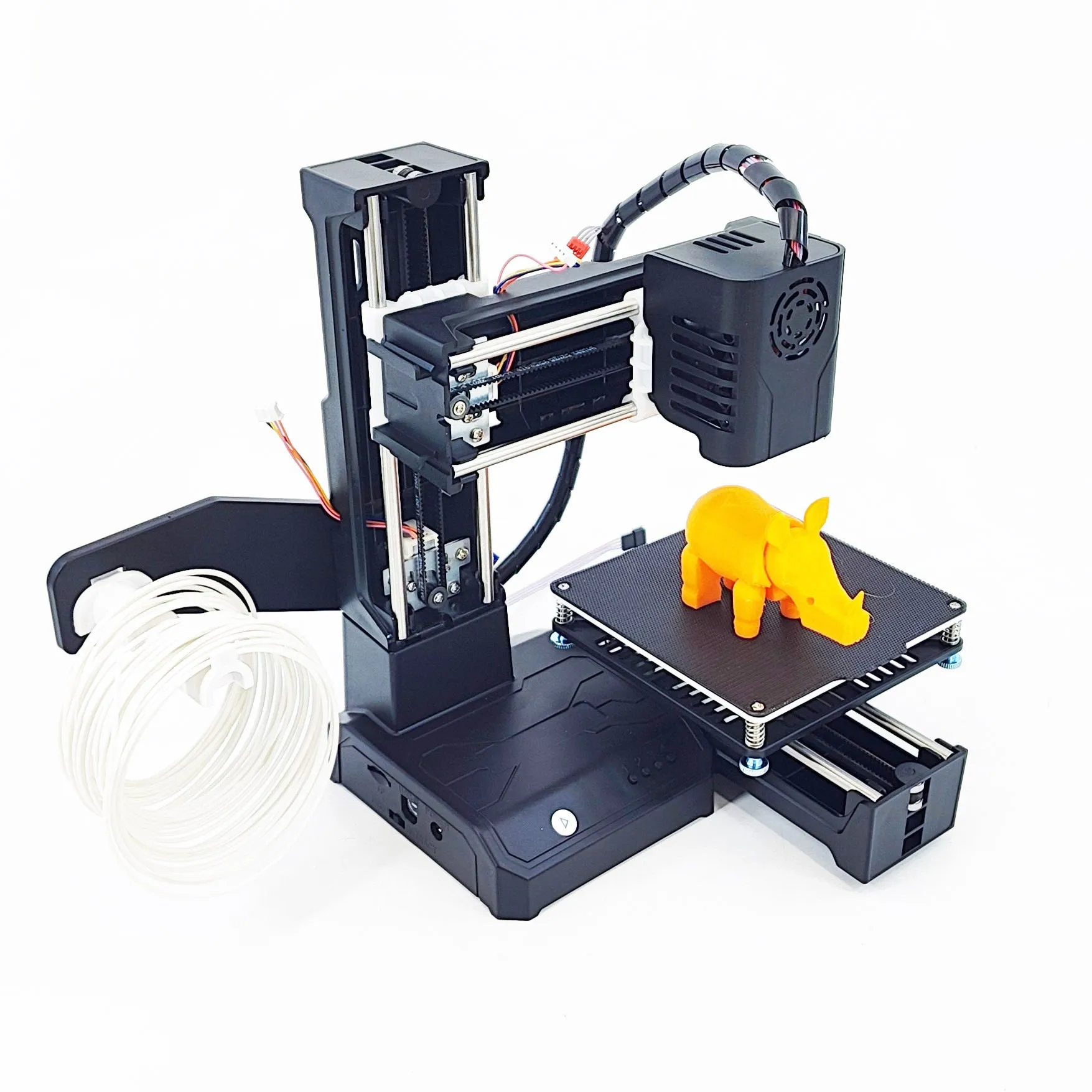
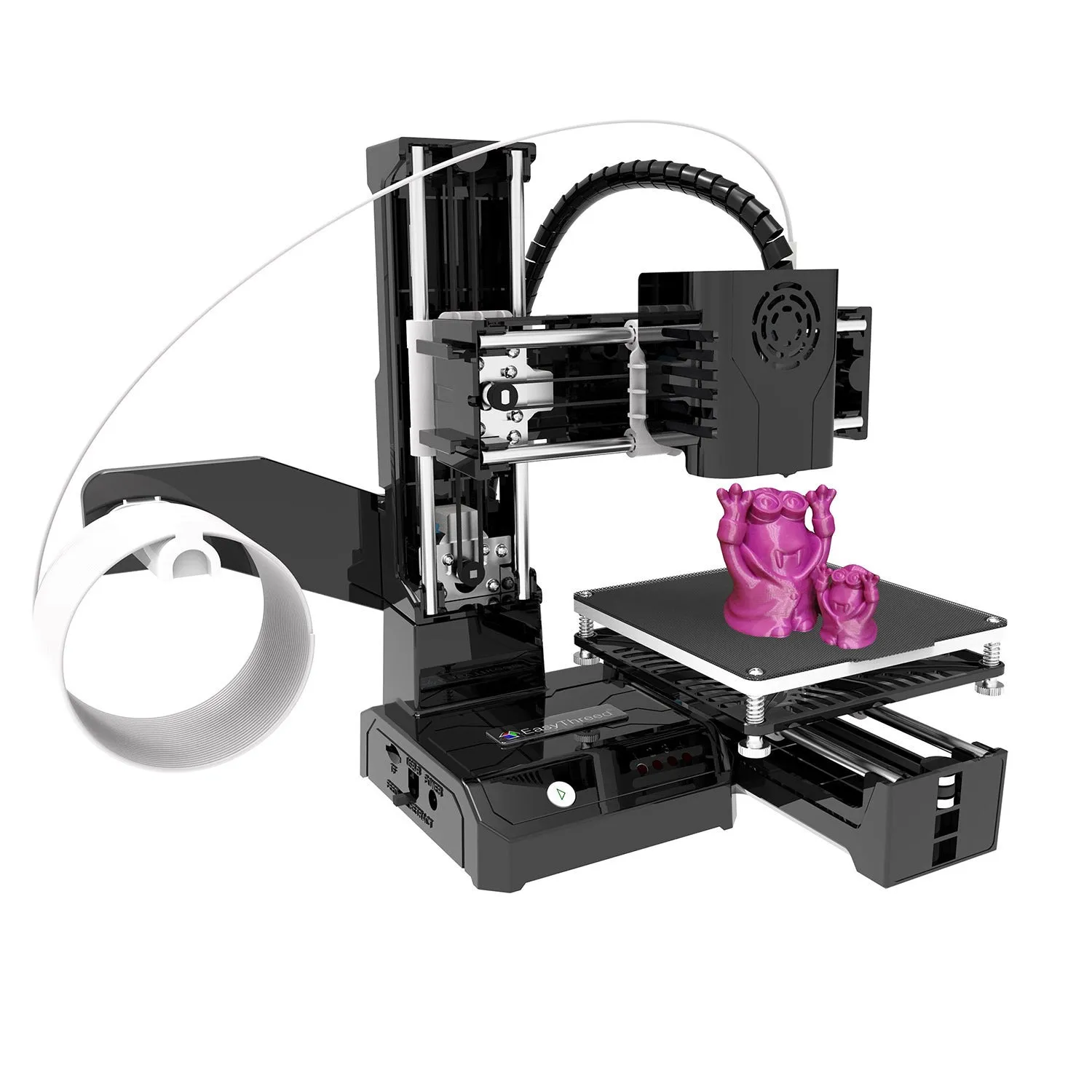
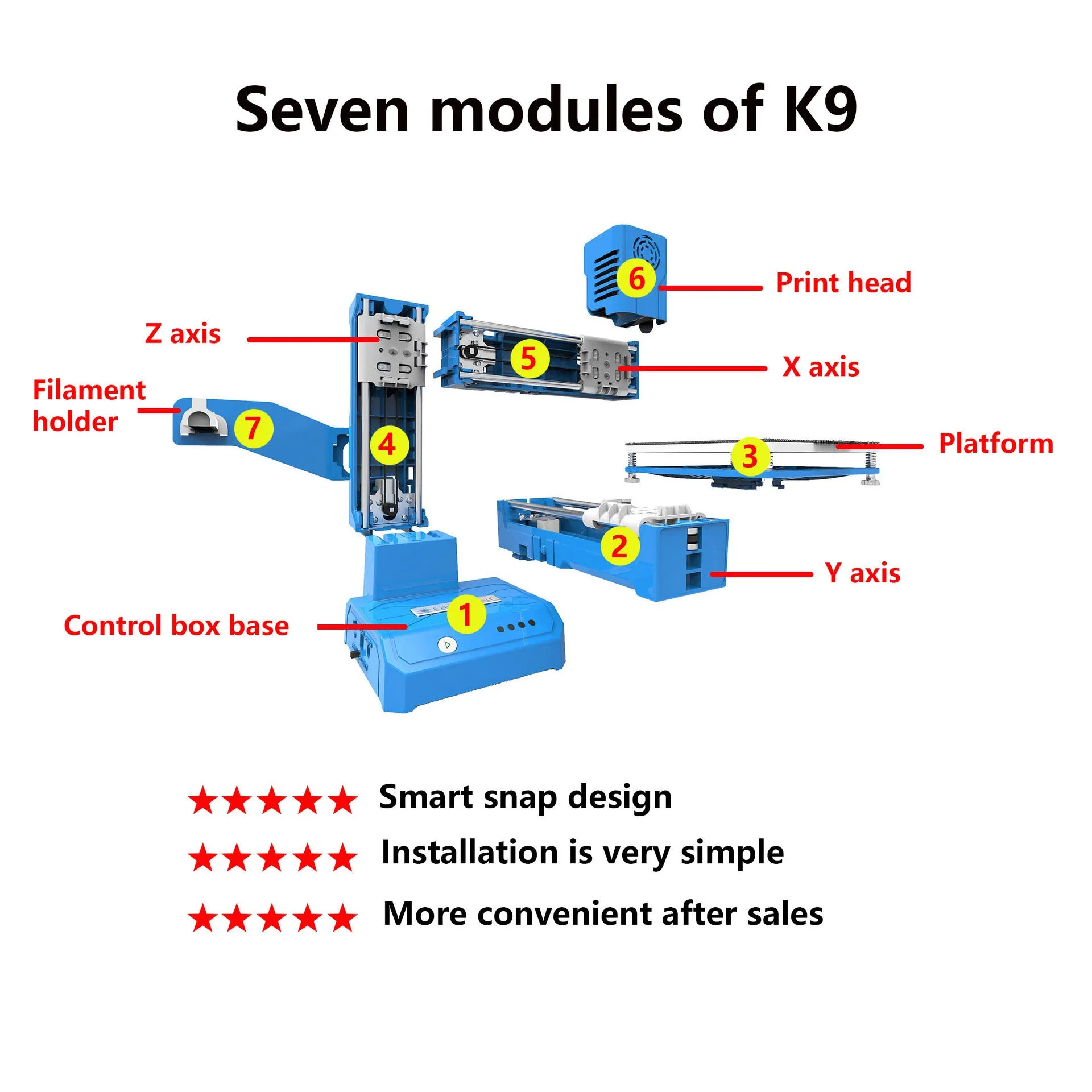
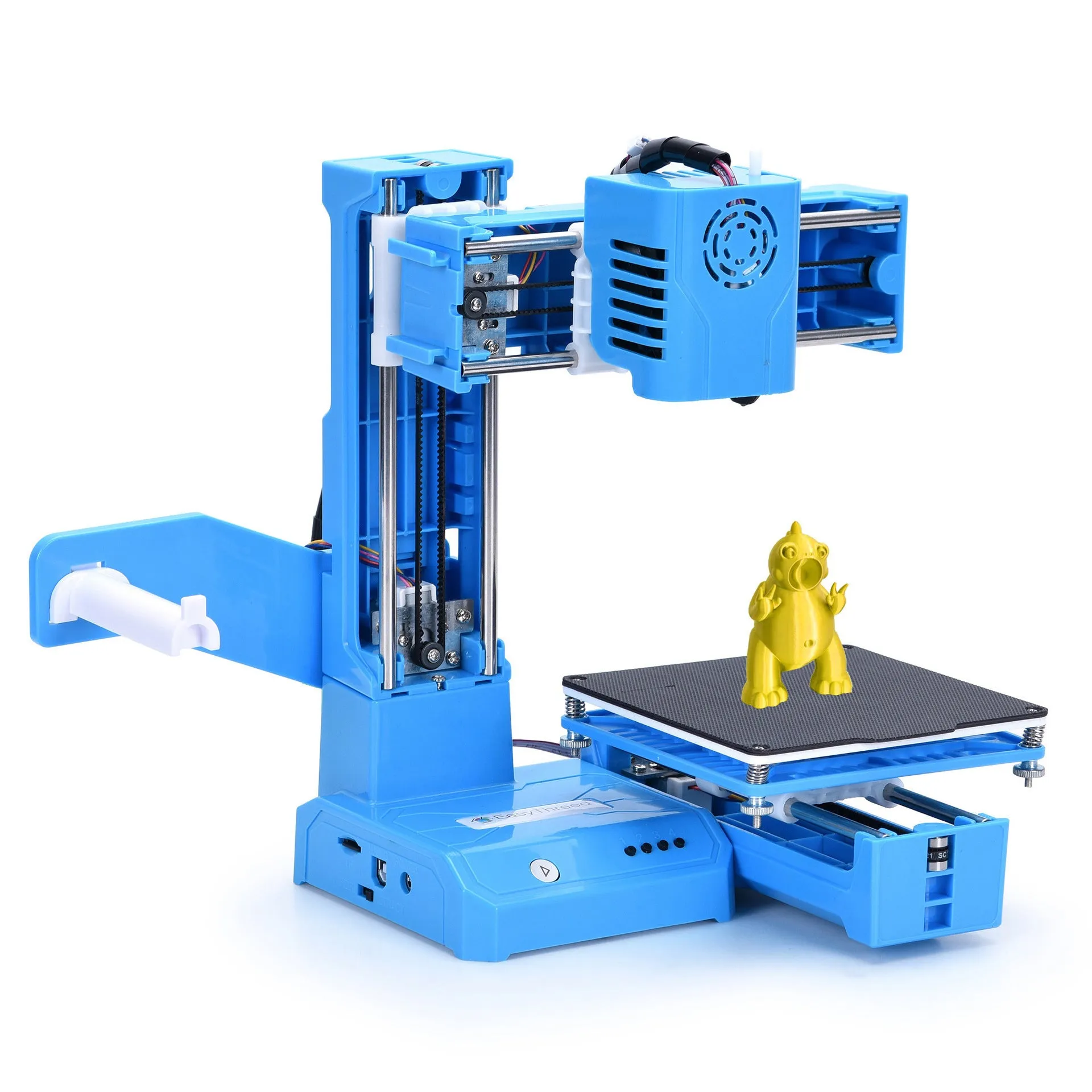
The K9 mini 3D printer provides a focused solution for creating small prototypes, detailed models, and compact items within a defined 100mm by 100mm workspace. Its design centres on Fused Deposition Modeling (FDM) technology, which melts and extrudes thermoplastic filament to build objects layer by layer. This printer is configured specifically for use with PLA (Polylactic Acid) filament, a common material choice known for its relatively low printing temperature and minimal odour, making it suitable for desktop use. With a 12V operating voltage and a controlled extrusion flow rate of 40mm/s, the printer manages the material deposition process for creating small, precise items, offering a practical tool for hobbyists, educators, or anyone needing to produce physical models from digital designs on a modest scale.
Features and Construction
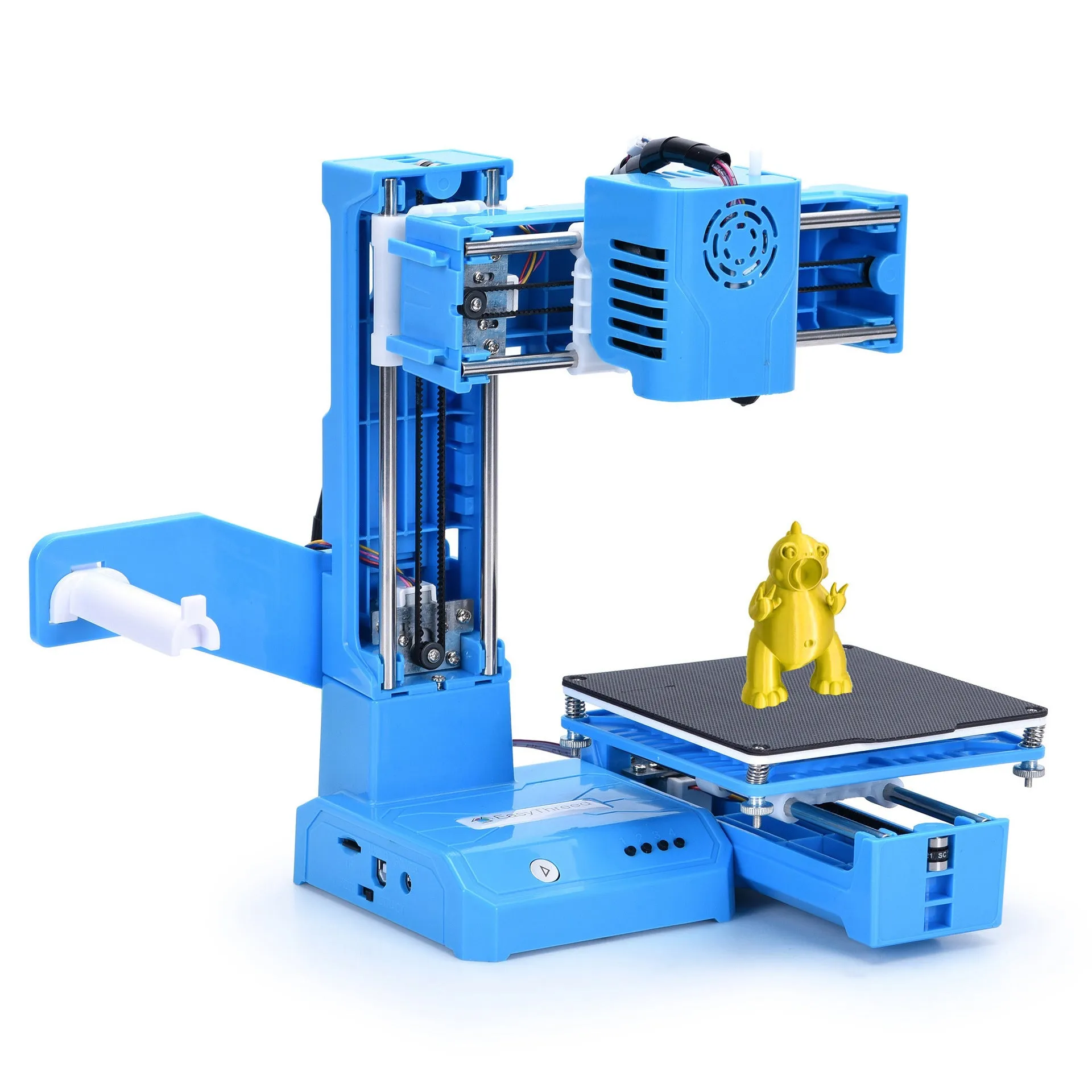
The K9 printer's specifications outline its core capabilities and physical setup. The construction is based on the FDM process, where a heated nozzle moves precisely to deposit molten material.
Material and Build
This printer is designed specifically for PLA filament, which is listed as the applicable raw material. PLA is a biodegradable thermoplastic derived from renewable resources like corn starch, and it typically prints at lower temperatures compared to some other plastics, which can simplify the printing process. The FDM (Fused Deposition Modeling) method builds models by depositing this material in successive layers, with each layer bonding to the one below it as it cools and solidifies. The printer's mechanics and firmware are calibrated for this material type, influencing factors like extrusion temperature and cooling requirements.
Size and Practical Fit
The key physical specification is the print size, defined as a 100mm by 100mm area. This measurement dictates the maximum dimensions of any single object that can be produced on the printer's build plate. It suits the creation of small components, jewellery, miniature figures, or functional prototypes that fit within this cube. The layer thickness, specified as 0.4mm, determines the vertical resolution of the print, affecting the smoothness of sloped surfaces and the visibility of layer lines. A 0.4mm setting provides a balance between print speed and detail for general small-scale projects.
Uses and Placement
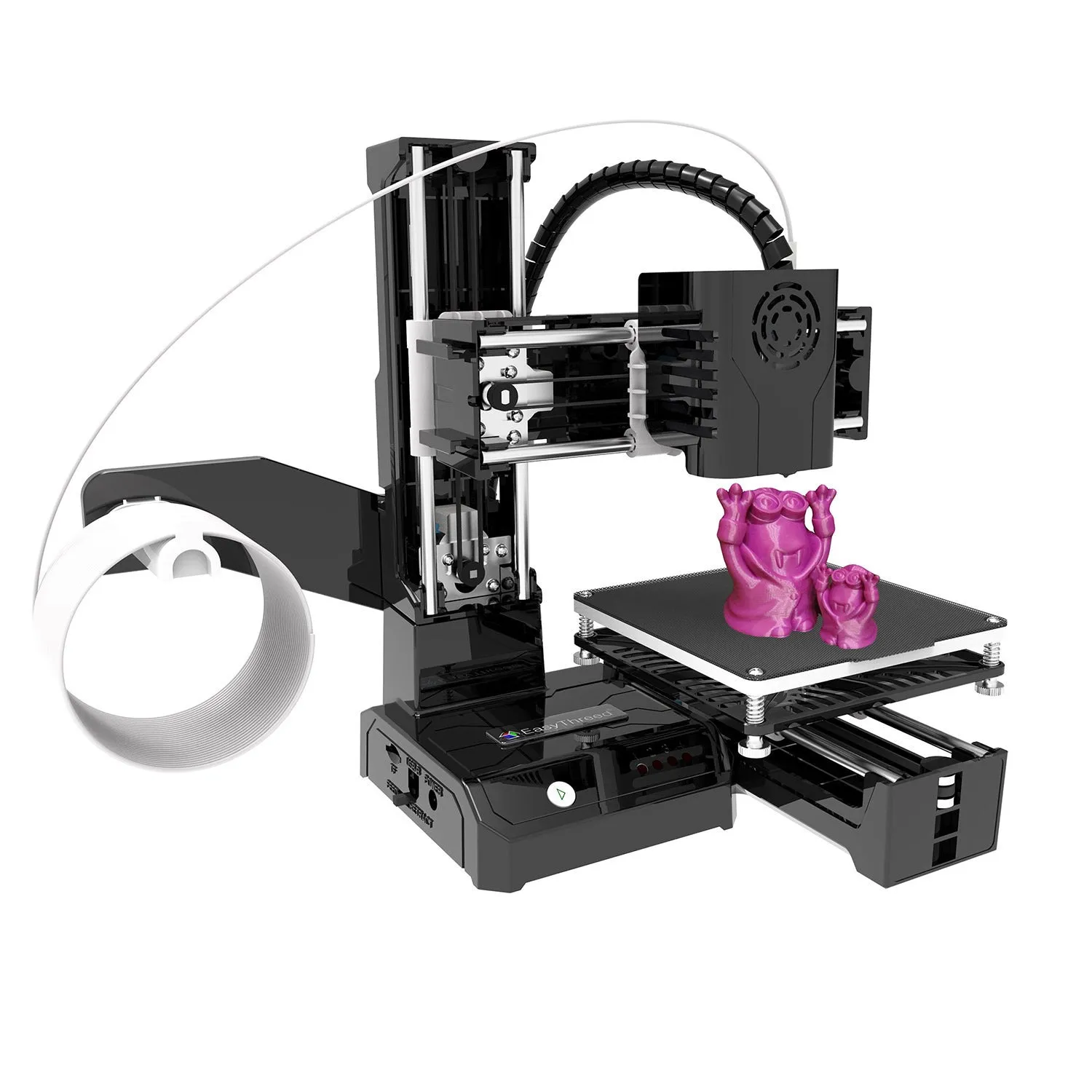
The printer's compact output size and specific technology guide its ideal applications. It serves users who need to materialise digital designs into physical objects of a limited scale.
Event or Professional Use
For professional or educational environments, this mini printer can be used for producing small-scale product prototypes, architectural models, or engineering components for fit testing. Its size makes it suitable for a desktop in a workshop, classroom, or small office where space is limited. The ability to produce customised small parts or models on-demand can support design validation, client presentations, or hands-on teaching demonstrations about additive manufacturing. The availability of multiple international plug standards (US, European, British, Australian, Chinese) means a single printer model can be distributed and used globally with the correct local power adapter.
Everyday Home Use
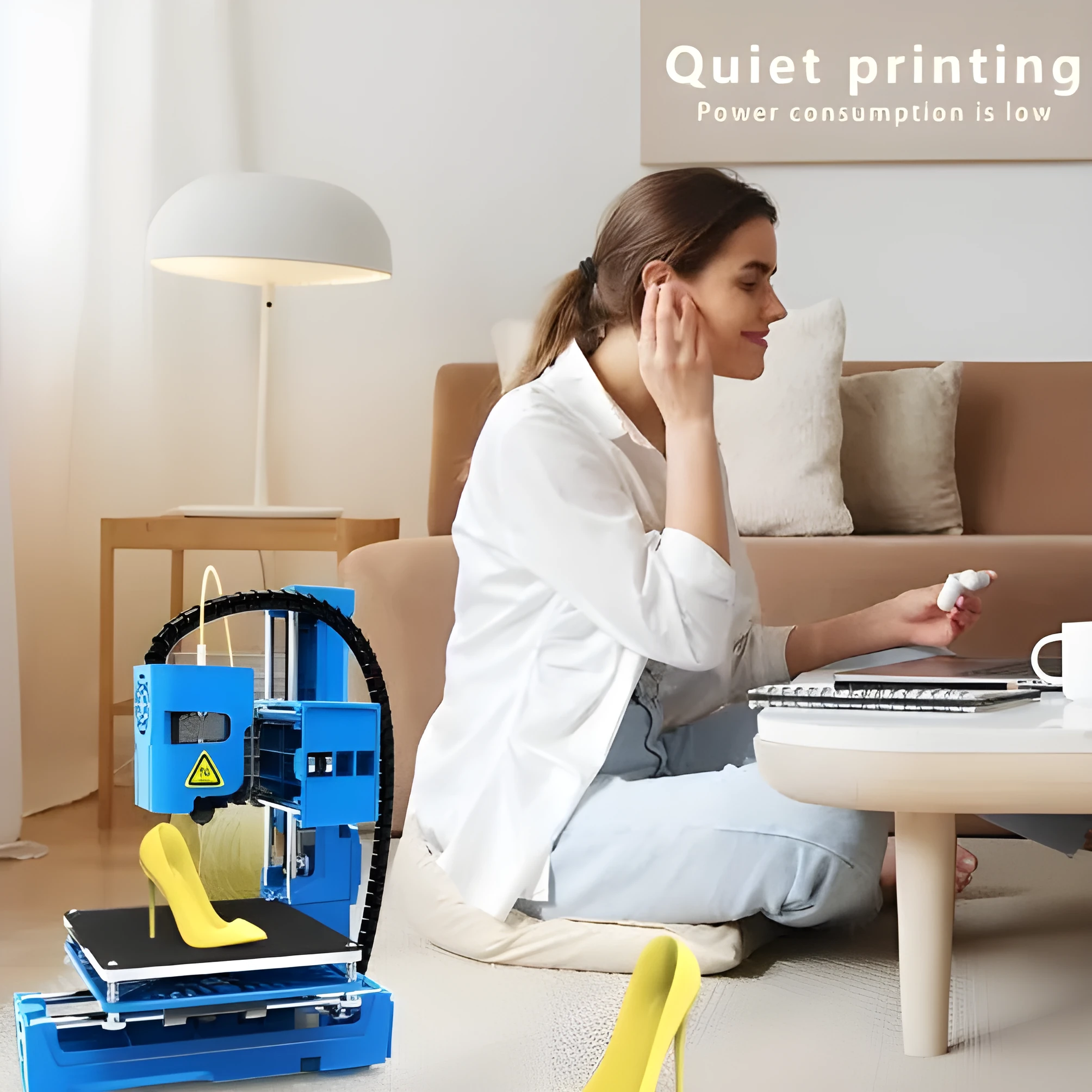
For home hobbyists, the printer enables the creation of custom toys, game pieces, household gadget replacements, or decorative items. The 100mm size is ample for producing many common small objects. Using PLA filament, which is widely available and comes in many colours, users can experiment with different designs. The relatively straightforward FDM process and dedicated material compatibility lower the technical barrier for entry compared to printers that handle multiple, more complex materials. It operates from a standard 12V power supply, making it compatible with common adapters or regulated power sources.
Benefits and Buying Value

The value of this mini 3D printer lies in its focused functionality for a specific type of user and project scale. It avoids the complexity and cost of larger, multi-material machines.
Reuse and Low Maintenance
The printer's design for a single material type, PLA, simplifies maintenance and operation. Users do not need to manage different extruder temperatures or settings for alternative filaments. PLA is also known for being less prone to warping during printing compared to some other plastics, which can reduce print failures and material waste. The specified nozzle flow rate of 40mm/s is a controlled parameter that helps ensure consistent extrusion, contributing to reliable print outcomes. As a complete unit supplied with the necessary hardware for a specific region's power standard, it requires minimal setup beyond loading filament and connecting power.
Why Choose This Product
This printer is a match for users whose primary need is to produce small, detailed objects using a common and user-friendly filament. Its defined 100mm build area sets clear expectations about project size. The inclusion of multiple plug options addresses a practical hurdle for international buyers, ensuring the printer can be used immediately upon delivery. The specified technical parameters—12V voltage, 0.4mm layer height, 40mm/s flow rate—provide a transparent view of its operational envelope. For someone beginning in 3D printing or needing a dedicated machine for small-part production, these concrete specifications offer a grounded understanding of its capabilities without overpromising on performance beyond its scale.