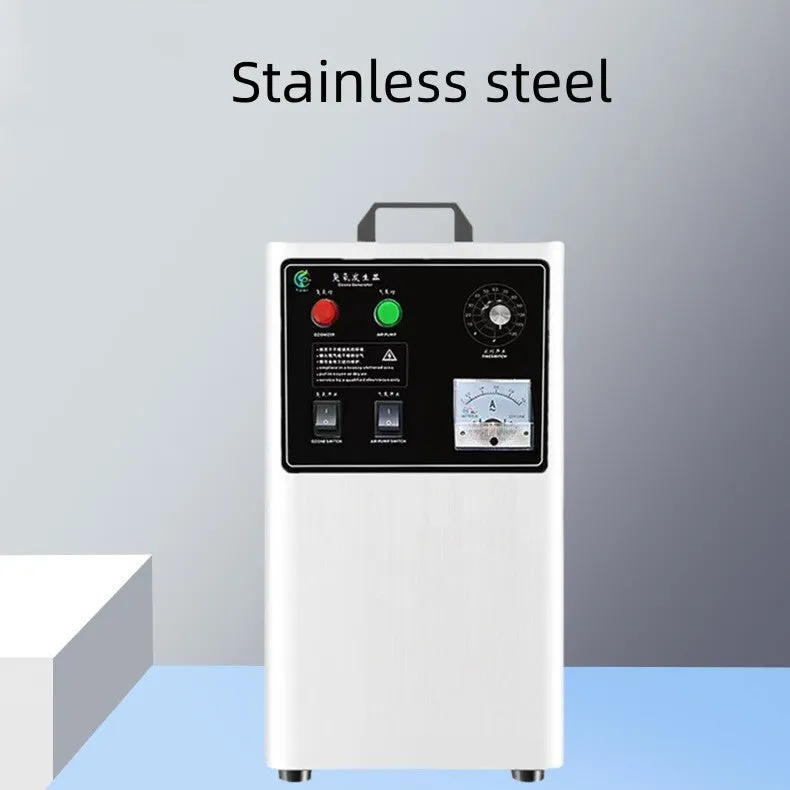
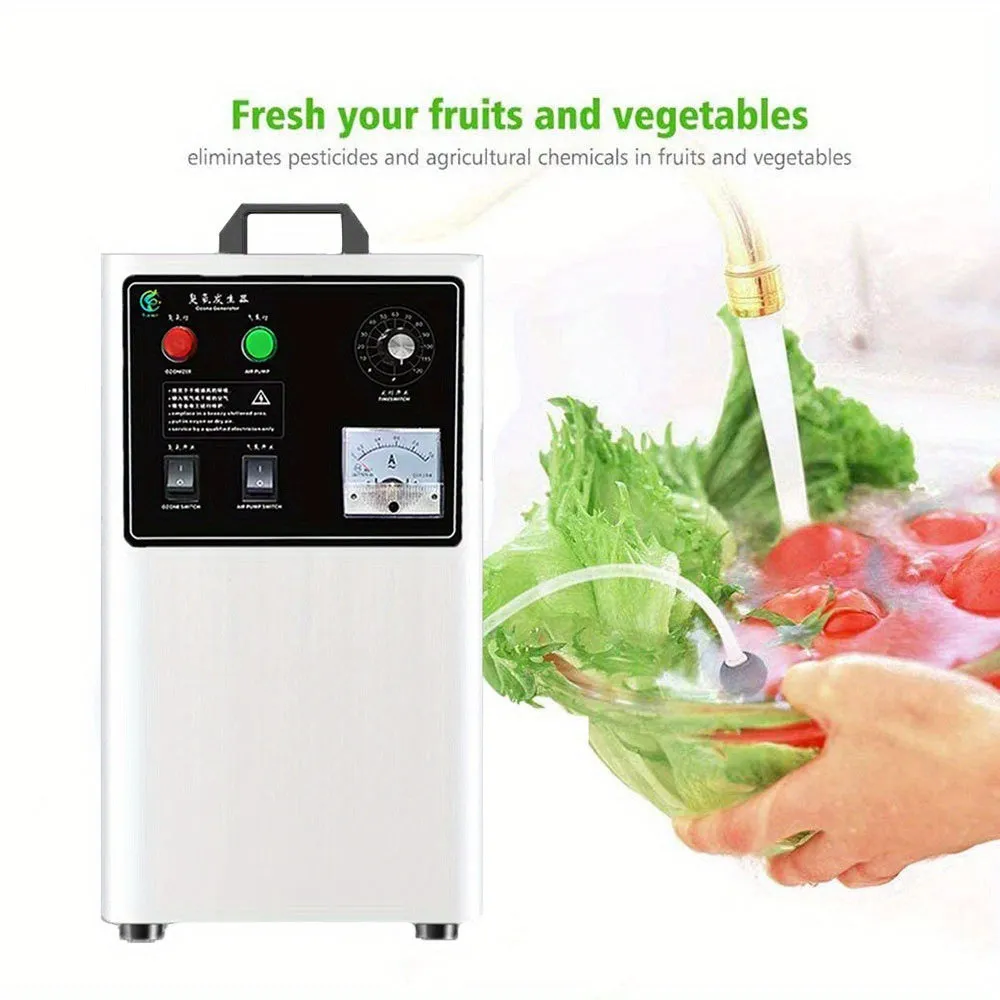
Ozone generator for fruit and vegetable treatment, available in stainless steel or white finish, air-cooled system with 20g/h output for produce decontamination and water treatment applications, compatible with 110V US electrical outlet


Ozone generator for fruit and vegetable treatment, available in stainless steel or white finish, air-cooled system with 20g/h output for produce decontamination and water treatment applications, compatible with 110V US electrical outlet
Air-cooled ozone generator with 20g/h output for fruit, vegetable, and water treatment
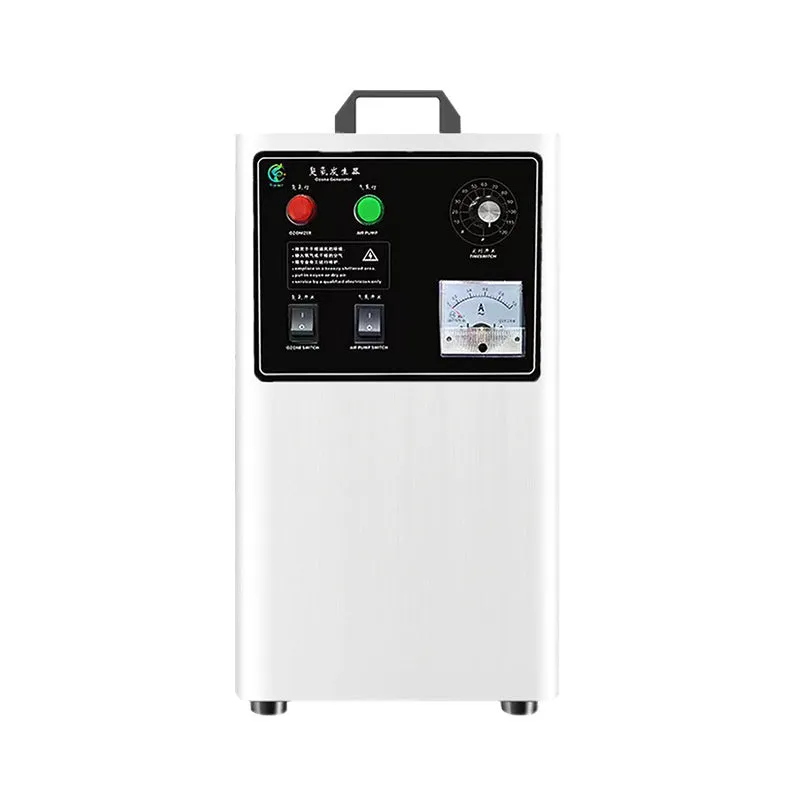
This ozone generator is engineered for the specific task of treating fruit and vegetables, offering a 20-gram-per-hour output suitable for decontamination processes and water purification applications. The unit features an air-cooled system to maintain its operational temperature, which is a practical consideration for continuous use. It is available in two distinct housing finishes—stainless steel and white—providing a choice based on aesthetic preference or environmental suitability. Designed for compatibility with 110V US electrical outlets, it is intended for settings where such a treatment method is applied to produce.
Features and Construction

The generator's design centres on its core function of ozone production for treatment purposes. Its construction and technical specifications define its practical application.
Material and Build
The housing is offered in two material finishes: a stainless steel version and a white-coloured alternative. This choice allows for selection based on durability preferences or visual matching with other equipment. The air-cooled mechanism is integral to its design, eliminating the need for liquid cooling systems and simplifying its setup and maintenance requirements for the stated treatment tasks.
Size and Practical Fit
While exact physical dimensions are not provided, the unit's compatibility with standard 110V US outlets indicates it is sized for practical use in spaces like kitchens, food preparation areas, or small-scale agricultural settings. Its air-cooled nature suggests it requires some surrounding clearance for airflow, an important factor for its placement and safe operation during fruit and vegetable treatment cycles.
Uses and Placement
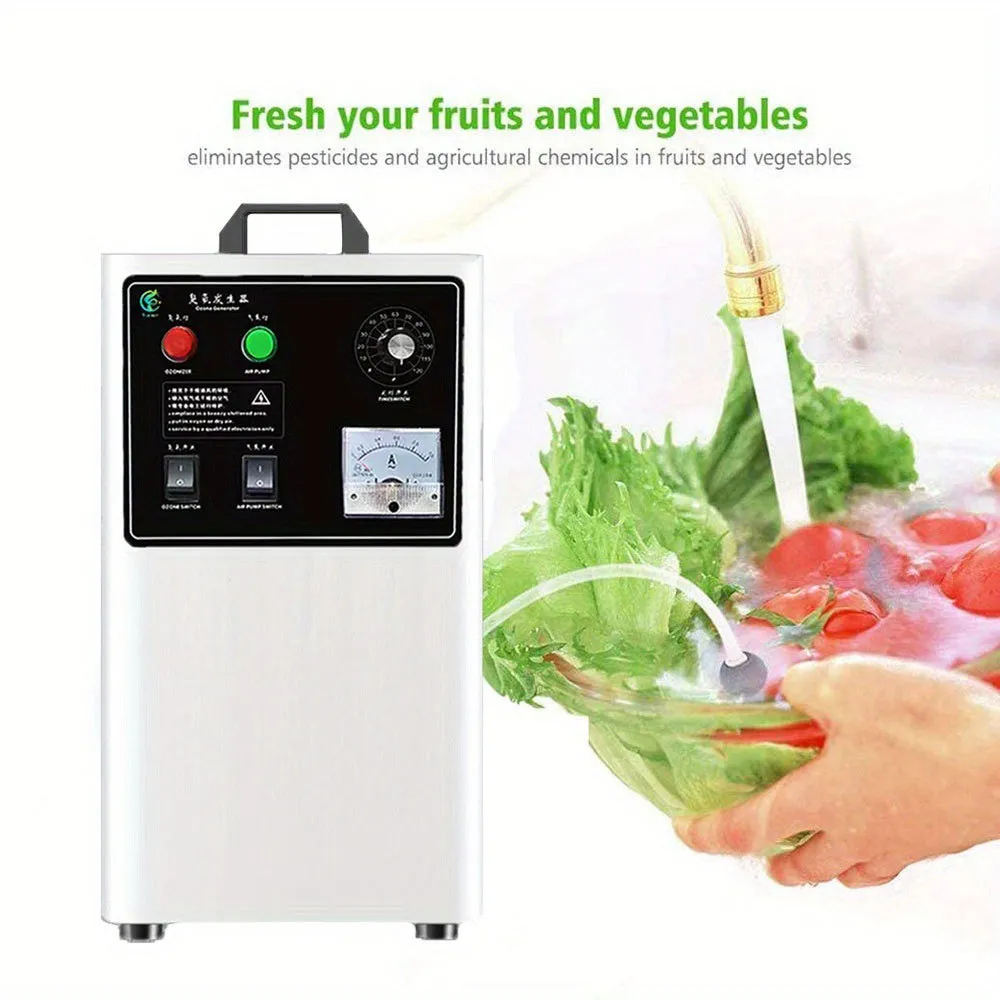
The primary use case for this generator is the ozone-based treatment of produce and water. Understanding its intended environment helps ensure it is used correctly and effectively.
Event or Professional Use
In professional or commercial contexts, such as small catering operations, farm stands, or food packaging facilities, this 20g/h generator can serve as a point-of-treatment system for reducing surface contaminants on fruits and vegetables. Its specific output is geared towards these direct applications, and its 110V compatibility makes it suitable for integration into existing US-standard electrical setups without requiring special power conversion.
Everyday Home Use
For household applications, individuals interested in home food preservation, pre-consumption produce washing, or small-scale water treatment may find this unit applicable. The choice between a stainless steel or white finish allows it to blend into a kitchen or utility area. Users must follow all safety guidelines for ozone devices, ensuring the space is well-ventilated and exposure is managed according to the generator's operational instructions.
Benefits and Buying Value
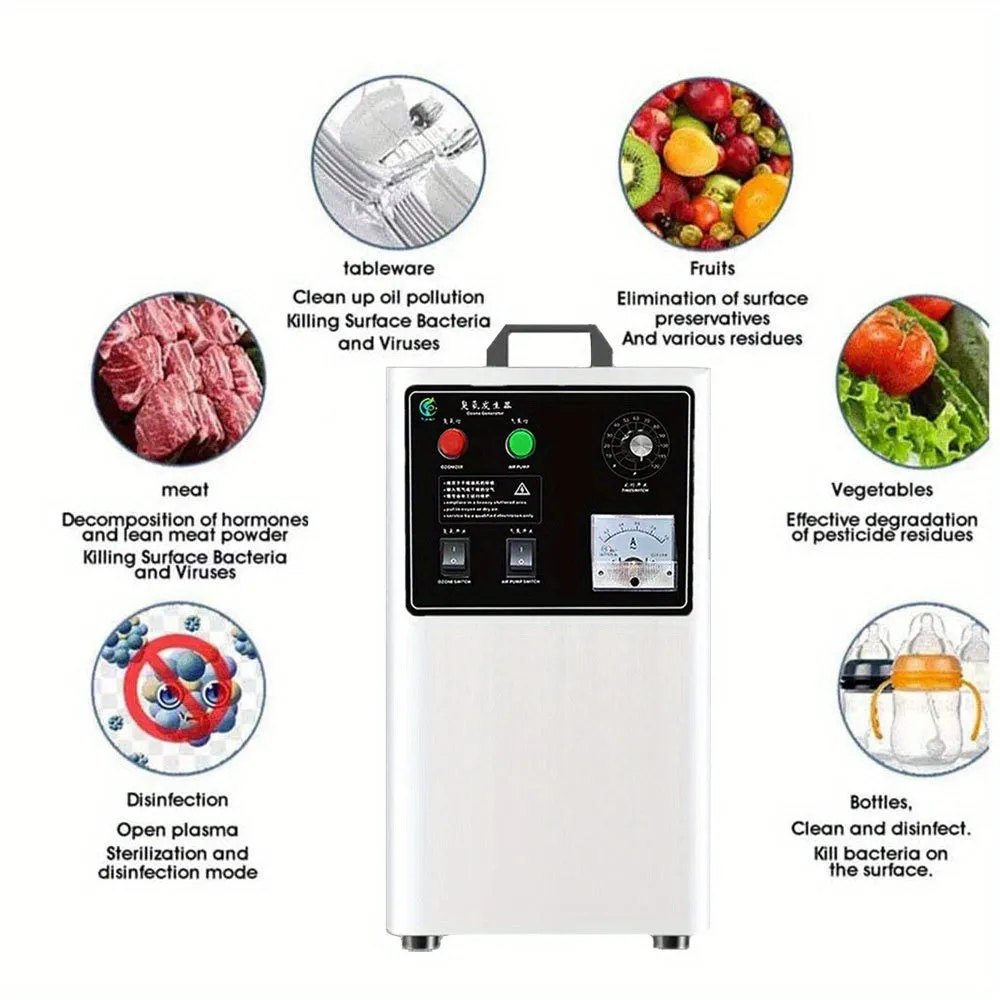
The value of this product lies in its dedicated function and straightforward specification. It presents a tool for a specific hygienic process without extraneous features.
Reuse and Low Maintenance
The air-cooled design contributes to lower maintenance needs compared to systems requiring coolant top-ups or complex thermal management. The robust stainless steel housing option may offer easier cleaning and resistance to corrosion in humid environments often associated with food treatment areas. This focus on simple, durable construction supports repeated use over time for its intended purpose.
Why Choose This Product
This ozone generator is a focused choice for those requiring a specific 20g/h output for treating fruits, vegetables, and water. Its clear specification—including output level, cooling method, voltage requirement, and finish options—allows for an informed purchase based on technical need rather than assumed performance. It avoids bundling unrelated accessories, presenting as a core functional unit for integration into a user's existing food safety or water treatment routine.