
Anatomical model of male urinary and reproductive system pathology showing prostate hyperplasia, urethral nodules, genital warts, and testicular conditions with plastic construction measuring 25.5 x 18 x 15 cm for medical education and training purposes


Anatomical model of male urinary and reproductive system pathology showing prostate hyperplasia, urethral nodules, genital warts, and testicular conditions with plastic construction measuring 25.5 x 18 x 15 cm for medical education and training purposes
Male Urinary and Reproductive System Pathology Model with Prostate Hyperplasia Display

This anatomical pathology model provides medical students, educators, and healthcare professionals with a detailed three-dimensional representation of common male urogenital conditions. Unlike standard anatomical models that show only healthy structures, this specialised display focuses on pathological manifestations including benign prostatic hyperplasia, urethral nodules, and genital warts. The 25.5 × 18 × 15 cm plastic construction offers a portable yet sufficiently detailed reference tool for classroom demonstrations, clinical training sessions, and individual study. With its one-to-one ratio design specifically targeting the male reproductive system's anatomical region, this model bridges the gap between textbook illustrations and real clinical presentations.
Features and Construction
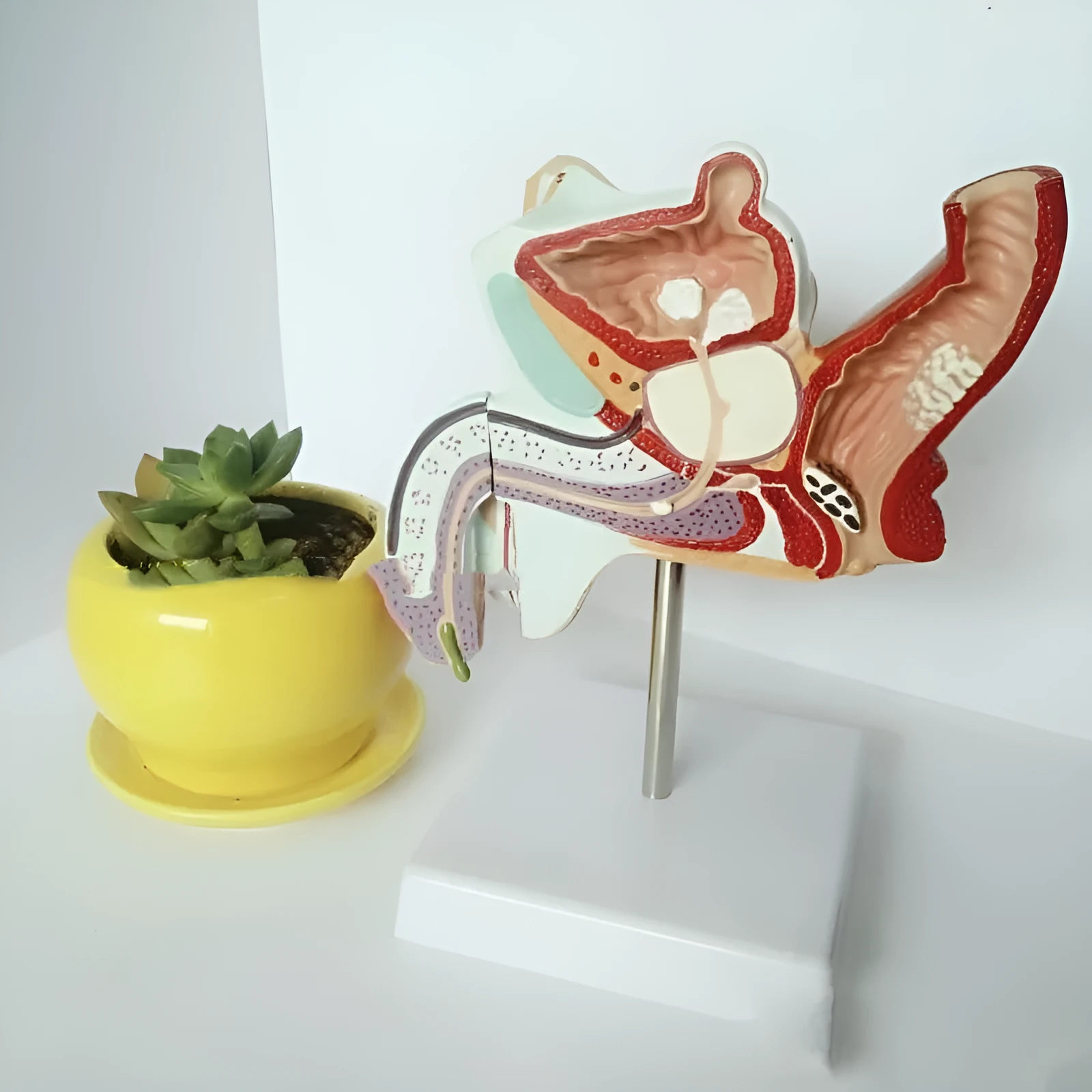
The model's design prioritises educational clarity through accurate pathological representation. Each condition is presented in its proper anatomical context, allowing users to understand spatial relationships and progression of diseases within the male reproductive system.
Material and Build
Constructed from durable plastic, this model withstands repeated handling in educational environments while maintaining structural integrity. The material choice balances detail reproduction with practical durability, making it suitable for both individual study and group demonstration settings. The plastic construction allows for clear visualisation of pathological features without the maintenance requirements of more delicate materials.
Size and Practical Fit
Measuring 25.5 cm in height, 18 cm in width, and 15 cm in depth, the model offers sufficient detail for close examination while remaining portable enough for transportation between classrooms or clinical settings. The one-to-one ratio design ensures anatomical accuracy relative to human proportions, providing a realistic reference point for medical education. This size makes it suitable for both desktop study and demonstration to small groups.
Uses and Placement
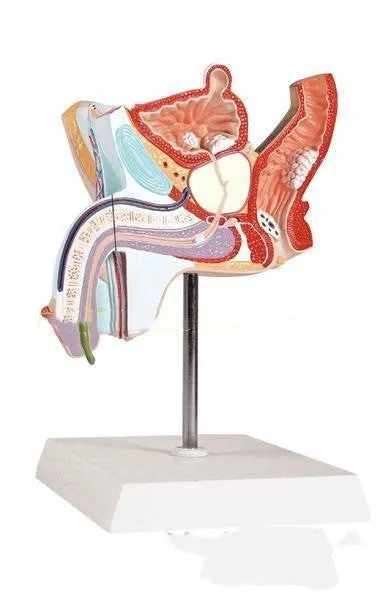
This specialised anatomical model serves multiple educational purposes across different learning environments. Its pathological focus makes it particularly valuable for understanding disease progression and clinical manifestations.
Event or Professional Use
In clinical training environments and medical conferences, the model provides a tangible reference for discussing male reproductive pathologies. Healthcare professionals can use it to demonstrate conditions like benign prostatic hyperplasia and urethral nodules to patients or trainees, while medical educators can incorporate it into pathology curriculum. Its clear visualisation of multiple conditions makes it efficient for covering several related pathologies in single training sessions.
Everyday Home Use
For medical students and independent learners, this model offers continuous access to pathological references without requiring clinical placement access. The compact size allows for study space placement, while the durable plastic construction ensures it remains available for repeated consultation throughout academic programmes. It serves as a bridge between theoretical knowledge and practical clinical recognition.
Benefits and Buying Value

The model's specialised focus on pathology provides specific educational advantages over standard anatomical displays. It addresses particular learning gaps in medical education through targeted visual representation.
Reuse and Low Maintenance
Plastic construction ensures the model requires minimal maintenance while remaining suitable for repeated use across multiple academic terms or training cycles. Unlike perishable biological specimens or fragile models, this display maintains its educational value over time without specialised storage or handling requirements. The material choice supports sustainable educational resource use through longevity.
Why Choose This Product
This model stands out through its specific focus on pathological manifestations rather than just healthy anatomy. The inclusion of multiple related conditions – benign prostatic hyperplasia, urethral nodules, genital warts, and testicular conditions – provides comprehensive coverage within a single educational resource. The one-to-one ratio design ensures anatomical accuracy, while the practical plastic construction makes it accessible for various educational settings without specialised care requirements.