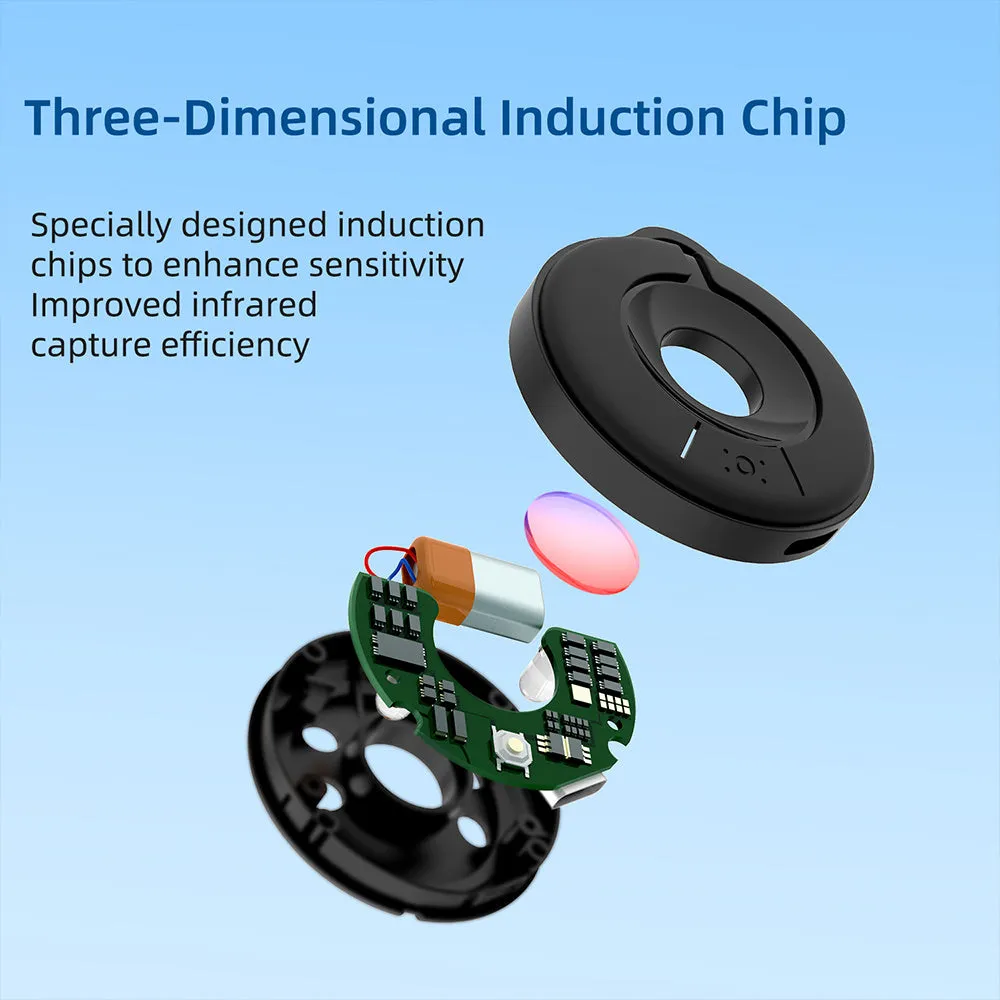
Camera detector with infrared optical detection up to 5 metre range for remote inspection of hidden cameras and privacy protection in various settings


Camera detector with infrared optical detection up to 5 metre range for remote inspection of hidden cameras and privacy protection in various settings
Infrared camera detector with 5 metre range for remote hidden camera inspection
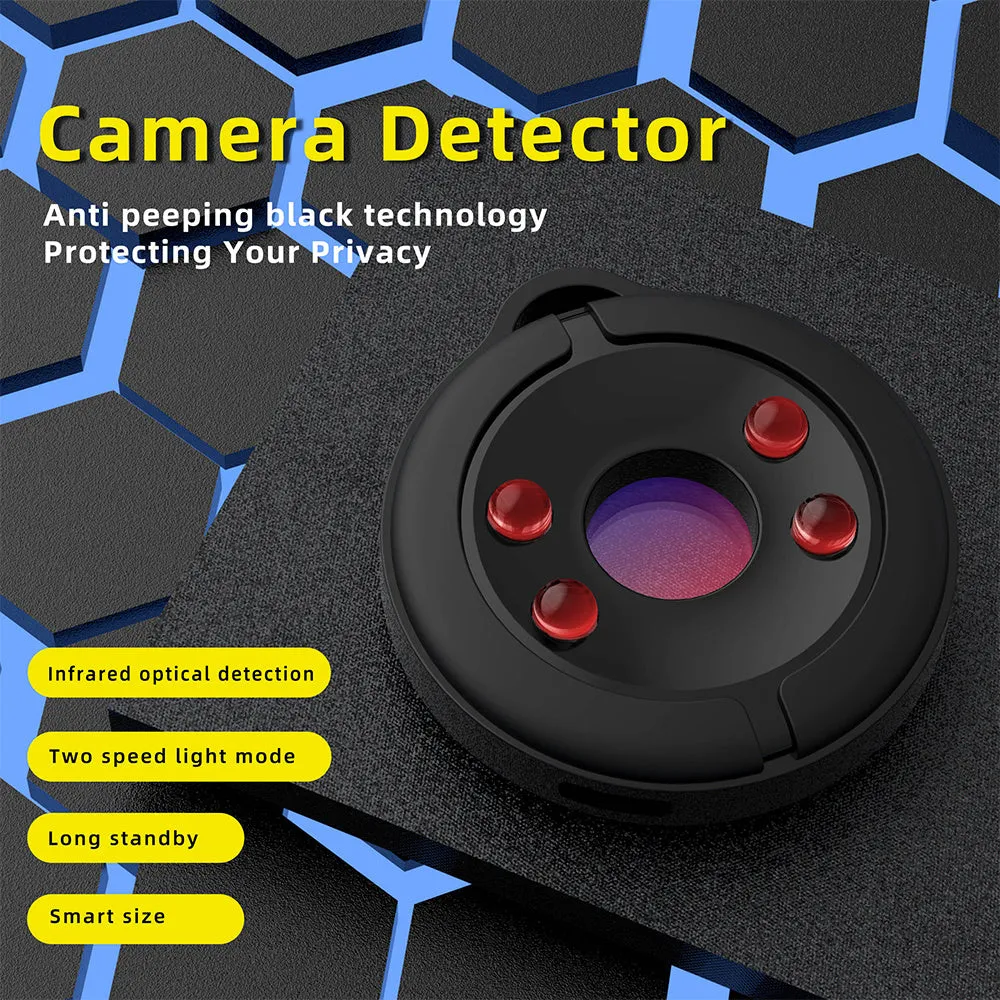
Privacy concerns in unfamiliar environments or rented accommodations are addressed by this specialised detection device. It is designed to locate covert recording equipment using infrared optical technology, providing a practical check for hidden cameras. The unit offers a substantial 5 metre detection distance, allowing users to scan entire rooms systematically from a central position. Its operation is straightforward, requiring no technical expertise, making it accessible for travellers, homeowners, and professionals concerned with electronic surveillance.
Features and Construction
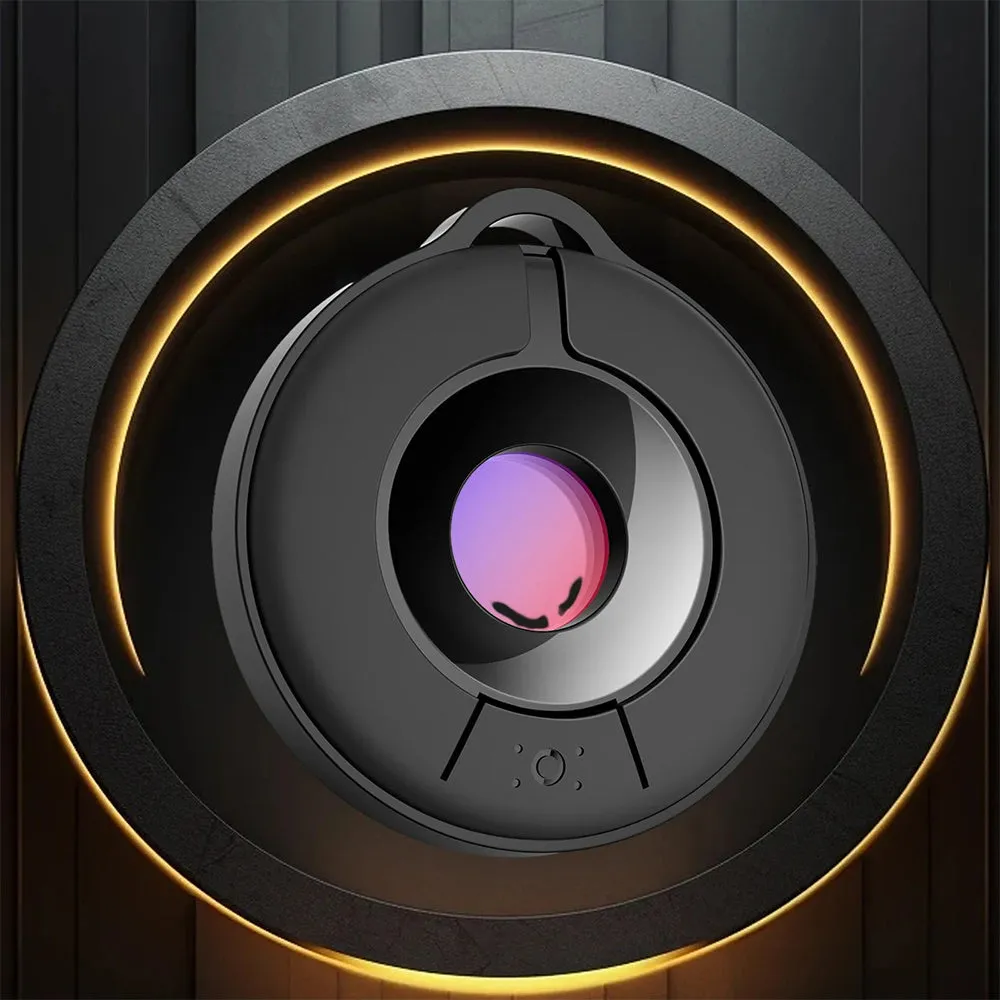
This detector is built around its core infrared scanning capability, which works in conjunction with a filtering lens to identify anomalous bright spots that may indicate camera lenses. The physical design prioritises portability and discreet use.
Material and Build
The device features a compact and minimalist exterior design, described as small and exquisite. This construction suggests a lightweight plastic housing that facilitates easy carrying. The sleek form factor makes it practical to store in a bag or pocket, allowing for privacy protection checks wherever needed without drawing attention.
Size and Practical Fit
While exact dimensional data is not specified, the source emphasises its compact size and lightweight nature. This portability is a key functional advantage, enabling users to conduct inspections in multiple locations—from hotel rooms and changing facilities to offices and rental properties—without the burden of carrying bulky equipment. The design balances sufficient housing for the infrared optics and electronics while remaining hand-held.
Uses and Placement

The detector serves a specific security niche, targeting the growing concern over illicit surveillance. Its application spans both professional settings where confidentiality is paramount and personal situations where privacy is valued.
Event or Professional Use
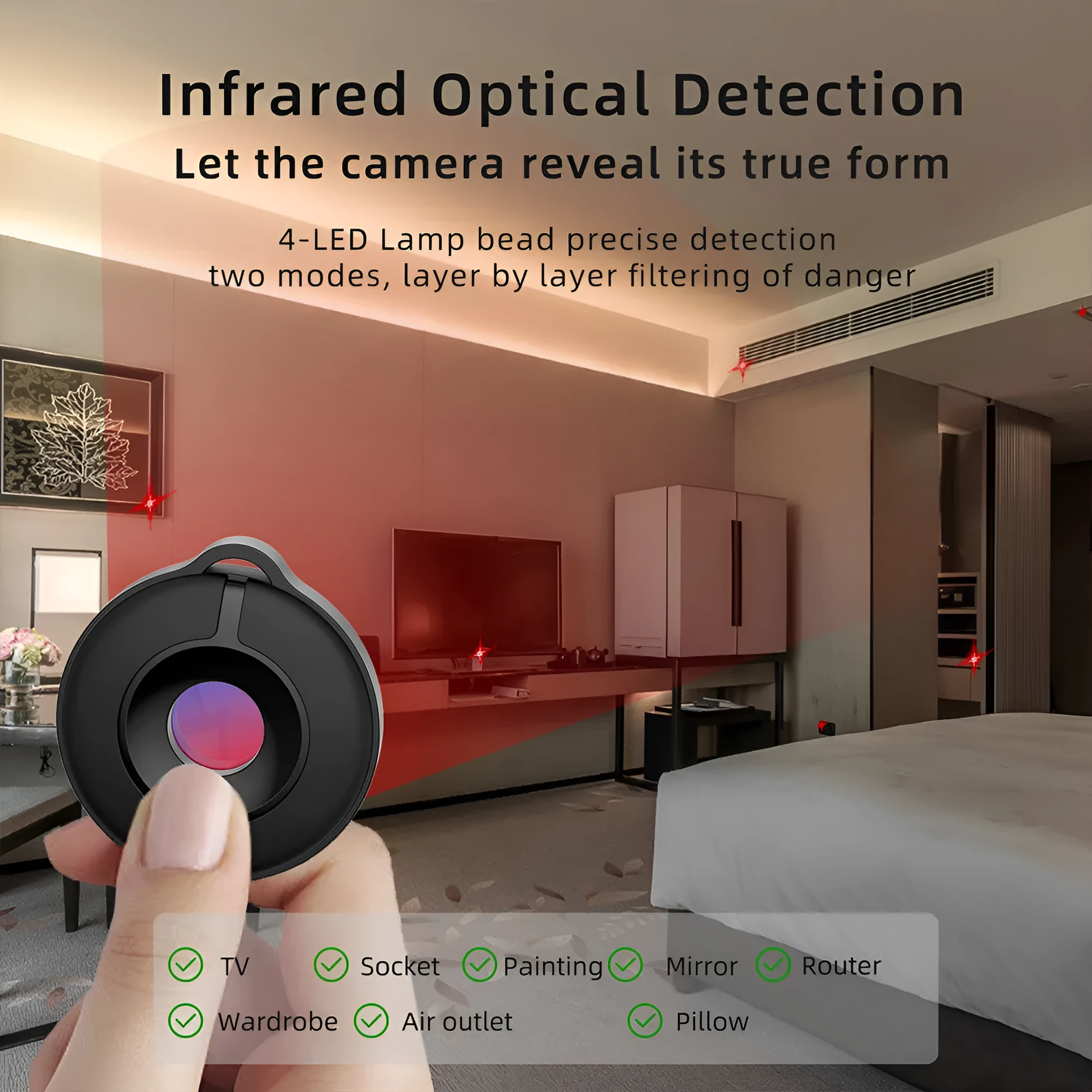
For professionals handling sensitive information or conducting private meetings, the device offers a quick verification that a space is free from unauthorised recording devices. Security personnel, corporate executives, or legal professionals can use it to sweep conference rooms, temporary offices, or negotiation venues. The remote inspection capability up to 5 metres means a single operator can cover a standard-sized room efficiently without moving the detector into every corner physically.
Everyday Home Use
Travellers and homeowners can employ the detector to check short-term rentals, dressing rooms, or newly acquired properties. The simplicity of operation—powering on with a long-press—makes it suitable for non-technical users. Its effectiveness in weaker light conditions aligns with common hiding spots for cameras, which often rely on low visibility. Users can gain reassurance about their private spaces, particularly in shared or commercial accommodations.
Benefits and Buying Value
The value of this product lies in its focused functionality, ease of use, and the concrete privacy benefit it provides. It represents a dedicated tool for a specific security need.
Reuse and Low Maintenance
As an electronic detection device, it requires minimal maintenance beyond basic care for the lens and housing. There are no consumables to replace, and the solid-state design suggests reliable reuse across many inspections. The long-press power mechanism is a simple mechanical control unlikely to fail with normal use. Users can deploy it repeatedly in different locations over time, making it a lasting privacy tool.
Why Choose This Product
This detector offers a clear, source-supported advantage: a 5 metre infrared detection range that enables remote scanning. This differentiates it from simpler or shorter-range devices. The combination of infrared optical detection with a filtering lens is a technical approach aimed at improving accuracy over basic LED scanners. The guidance to use it in low light is practical advice grounded in how infrared detection interacts with camera optics, not speculative performance claims. It provides a tangible method for addressing privacy invasions without requiring complex setup or interpretation.