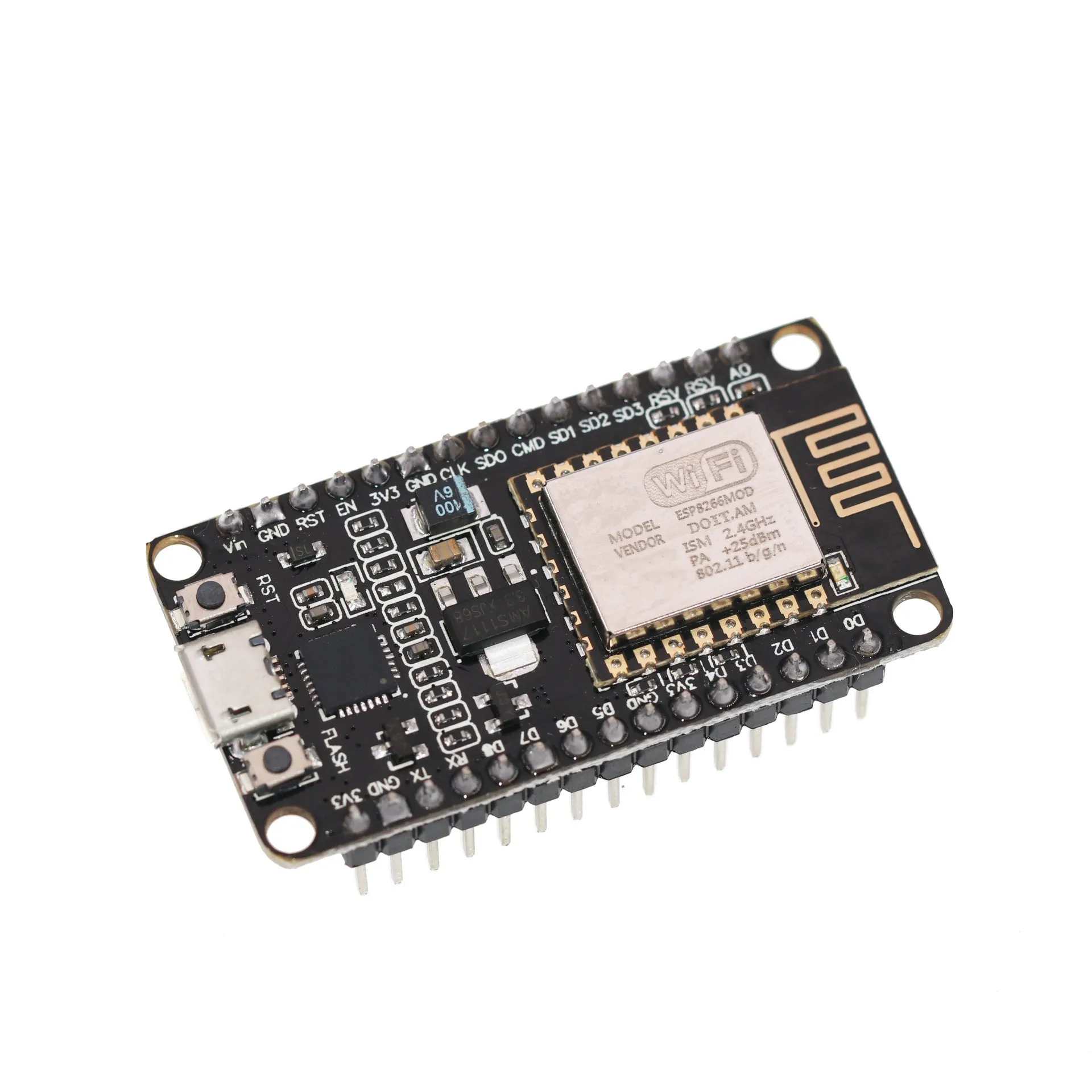
NodeMCU Lua WiFi Development Board based on ESP8266 chip with CP2102 USB-to-serial converter for IoT projects, compatible with Arduino IDE and programmable via Lua scripting for interactive hardware control and event-driven network applications


NodeMCU Lua WiFi Development Board based on ESP8266 chip with CP2102 USB-to-serial converter for IoT projects, compatible with Arduino IDE and programmable via Lua scripting for interactive hardware control and event-driven network applications
NodeMCU Lua WiFi Development Board with ESP8266 Chip and CP2102 USB Interface for IoT Projects

This NodeMCU development board offers a practical solution for creators and developers building connected devices and Internet of Things applications. Based on the popular ESP8266 WiFi microcontroller, it provides wireless capability in a compact form factor that simplifies the transition from concept to functional prototype. The integrated CP2102 USB-to-serial converter ensures reliable communication with your development computer, while the Lua scripting environment allows for interactive programming without the need for constant recompilation and uploading cycles. This combination of wireless connectivity, accessible hardware interfaces, and streamlined development workflow makes it particularly suitable for educational purposes, hobbyist projects, and proof-of-concept development where rapid iteration and testing are valuable.
Features and Construction
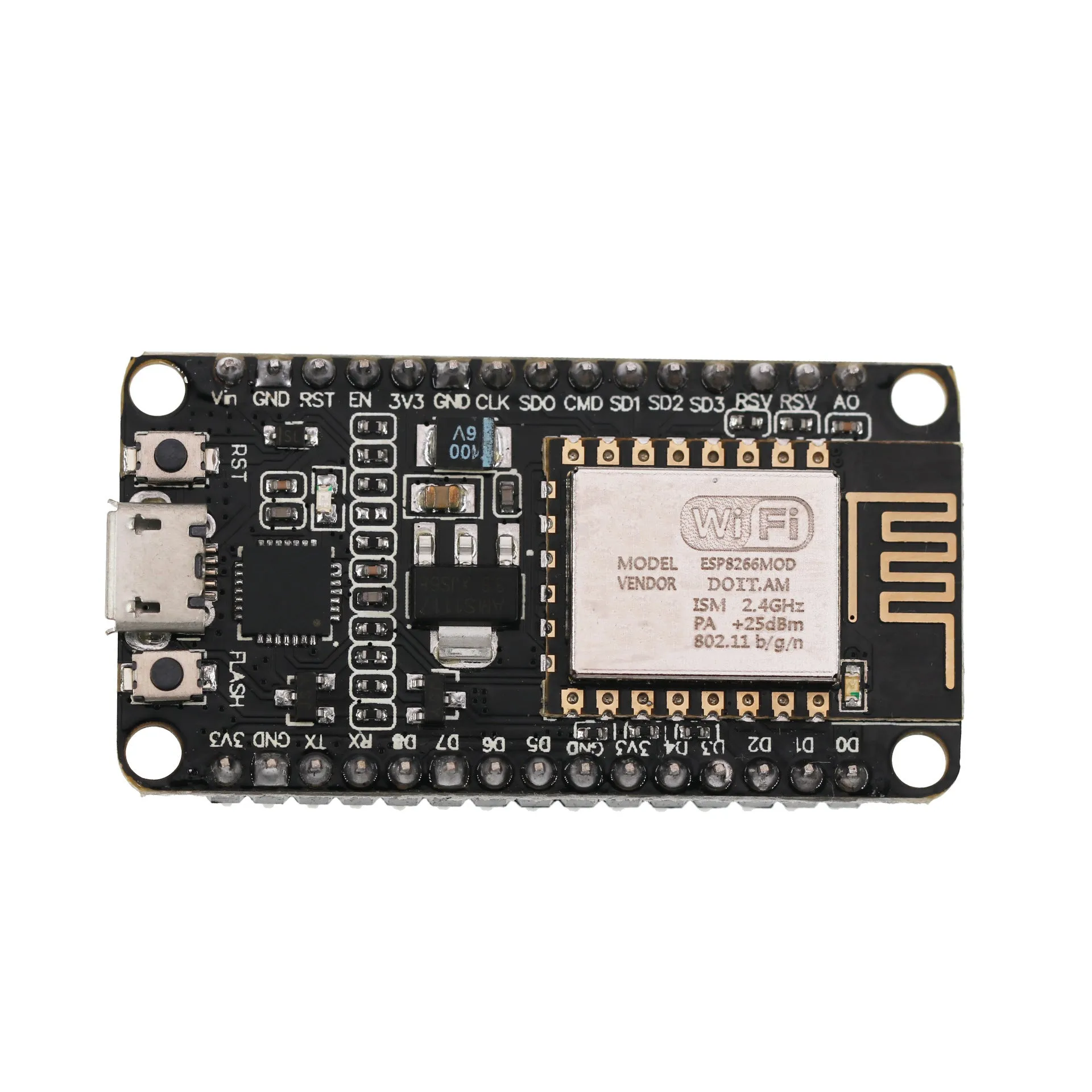
The board combines several key components that work together to create a development-friendly environment. At its core is the ESP8266 microcontroller, which provides both processing power and 2.4GHz WiFi connectivity in a single chip. The hardware is designed to minimise setup complexity while maximising programming flexibility through multiple development approaches.
Material and Build
The development board is constructed on a standard printed circuit board that hosts the ESP8266 microcontroller, CP2102 USB-to-serial converter chip, voltage regulation circuitry, and accessible pin headers. The CP2102 interface replaces alternative serial converters, providing a stable connection path between the microcontroller and your computer for programming and debugging. This physical construction creates a self-contained unit that doesn't require external programmers or complex wiring to begin development work. The board's design follows the NodeMCU open-source specifications, ensuring compatibility with community resources and documentation.
Size and Practical Fit
The central ESP8266 microcontroller itself measures just 5mm by 5mm, though the complete development board naturally occupies more space to accommodate the pin headers, USB connector, and supporting components. This compact main chip enables the creation of small finished projects once development is complete. The board's standardised pin layout and familiar form factor make it easy to integrate into breadboard prototypes or custom enclosures. The physical dimensions balance accessibility for development with the potential for miniaturisation in final applications, serving both the prototyping and production phases of project development.
Uses and Placement

The board's capabilities support a range of applications from simple automated systems to complex network-connected devices. Its programming flexibility through both Lua scripting and Arduino IDE compatibility makes it suitable for developers with different experience levels and project requirements.
Event or Professional Use
For professional prototyping or event-driven applications, the board supports event-driven network APIs that facilitate Node.js-style programming approaches. This allows developers accustomed to web development paradigms to apply similar patterns to hardware projects. The interactive Lua scripting environment enables real-time debugging and hardware manipulation without recompilation cycles, which can significantly accelerate development timelines. These features make the board practical for creating proof-of-concept demonstrations, testing network configurations, or developing responsive IoT applications where events trigger specific hardware actions or data transmissions.
Everyday Home Use
Hobbyists and home automation enthusiasts can utilise the board's Arduino-compatible hardware I/O pins to interface with common sensors, relays, displays, and actuators. The WiFi capability enables remote monitoring and control applications such as environmental sensors, smart switches, or security notifications. The Lua scripting approach provides an accessible entry point for those less familiar with traditional embedded programming, allowing them to modify behaviour through script changes rather than full recompilation. This combination of accessible programming and wireless connectivity supports practical home projects like plant watering systems, weather stations, or remote-controlled appliances without requiring extensive electronics expertise.
Benefits and Buying Value

The board offers specific advantages in development workflow and project flexibility that contribute to its practical value. These benefits stem from its particular combination of hardware and software approaches rather than from generic claims about quality or performance.
Reuse and Low Maintenance
The development board's design allows it to serve multiple roles throughout a project's lifecycle. Initially, it functions as a complete prototyping platform with accessible pins and built-in programming interfaces. As projects progress, the same board can be integrated into semi-permanent installations or testing rigs. The open-source nature of both hardware and software means that resources for troubleshooting and enhancement are widely available from the developer community. This reduces dependence on proprietary documentation and specialised support, potentially extending the board's useful lifespan across multiple projects or iterations.
Why Choose This Product
This NodeMCU board provides a specific combination of the ESP8266's wireless capabilities with the CP2102 serial interface and Lua scripting environment. This particular configuration may suit developers who prefer interactive programming approaches or who work on projects requiring frequent code adjustments during testing phases. The board's compatibility with Arduino IDE offers a familiar alternative development path while maintaining access to the ESP8266's specific features. For those seeking to minimise initial setup time or who value real-time hardware interaction during development, this board's particular implementation addresses those requirements directly through its supported features and programming methods.