
Wind Car DIY Electronic Kit Science Toy for Children's Educational Physics Experiments, 7.7cm x 10cm x 8.2cm Acrylic Metal Plastic Model with Included Batteries for Creative Invention Projects


Wind Car DIY Electronic Kit Science Toy for Children's Educational Physics Experiments, 7.7cm x 10cm x 8.2cm Acrylic Metal Plastic Model with Included Batteries for Creative Invention Projects
Wind Car DIY Electronic Kit: 7.7cm Physics Experiment for Children's Science Education
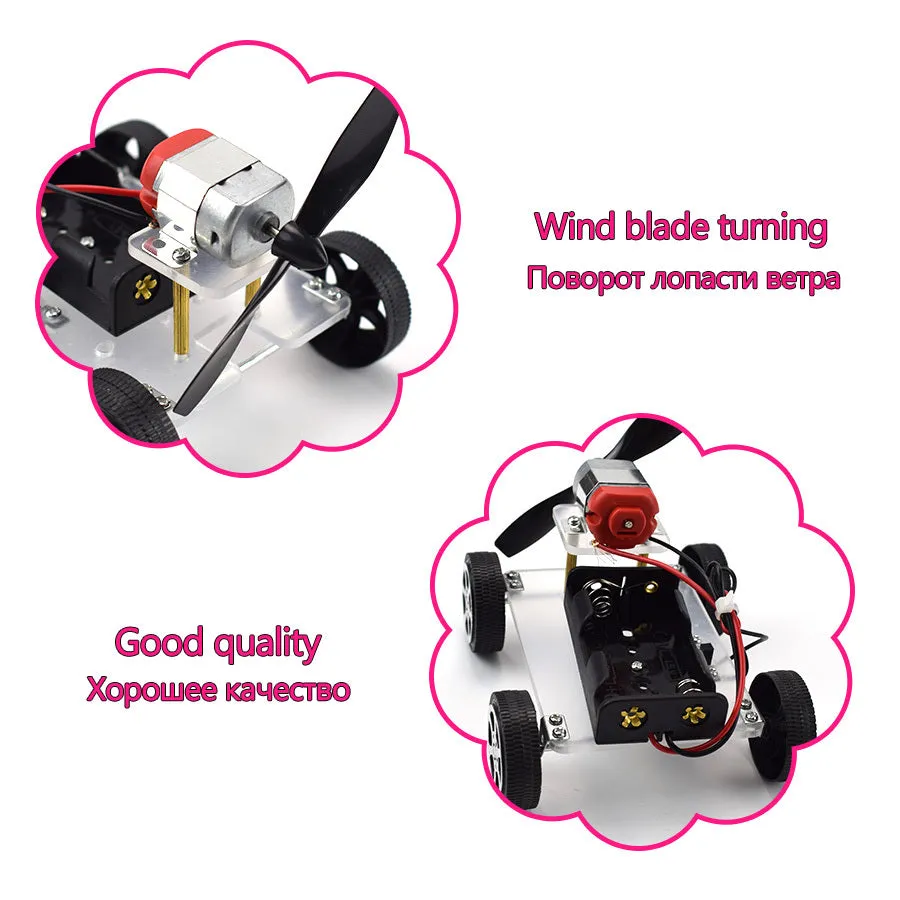
This wind car DIY electronic kit provides children with a practical introduction to physics and engineering principles through hands-on assembly and experimentation. Measuring 7.7 cm by 10 cm by 8.2 cm, the compact model combines acrylic, metal, and plastic components to create a functional wind-powered vehicle. The kit comes complete with recommended AA batteries, allowing immediate operation after assembly. Designed as an educational toy, it focuses on improving cognitive thinking abilities and scientific understanding through creative invention projects that make learning engaging and tangible.
Features and Construction

The wind car kit features a multi-material construction approach that teaches children about different material properties and their applications in engineering. Each component serves a specific purpose in the overall mechanism, demonstrating how various materials work together to create functional movement.
Material and Build
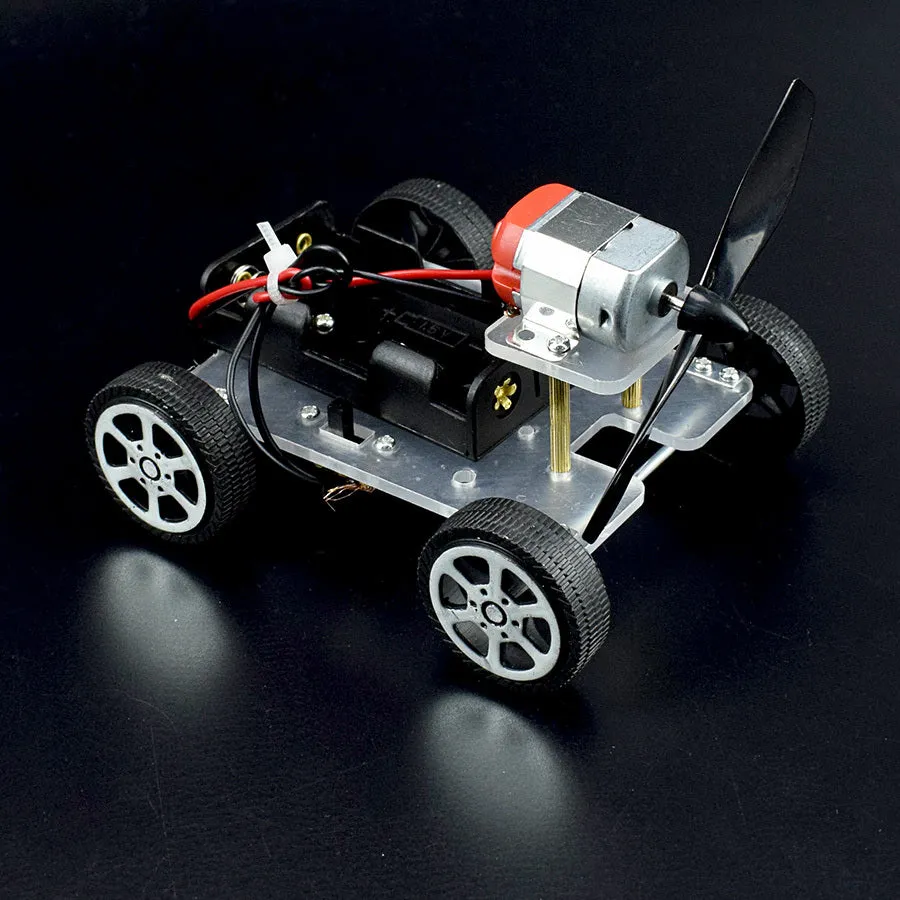
The kit incorporates three distinct materials: acrylic for transparent structural elements that allow visibility of internal mechanisms, metal for conductive pathways and durable connections, and plastic for lightweight moving parts. This combination demonstrates practical material selection in engineering design. The assembly process teaches children about material properties, electronic connections, and mechanical principles through hands-on construction of a working model.
Size and Practical Fit
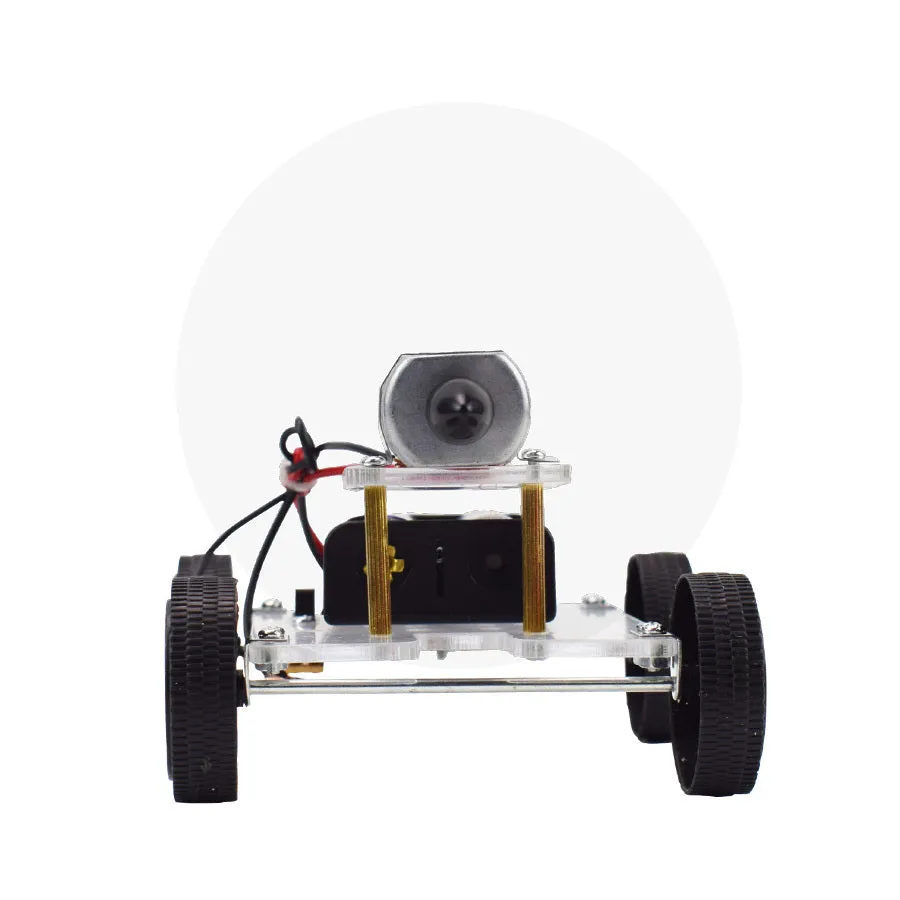
With dimensions of 7.7 cm x 10 cm x 8.2 cm, the completed model offers a compact yet fully functional demonstration of wind-powered movement. This size makes it suitable for tabletop experimentation and easy storage. The scale allows children to observe and understand the complete mechanism while providing enough space for proper component placement and movement. The manageable size also makes it appropriate for classroom demonstrations or individual home learning projects.
Uses and Placement
This educational kit serves multiple purposes in both formal and informal learning environments. Its design supports various educational approaches while maintaining focus on practical science education through hands-on experience with physics concepts.
Event or Professional Use
For classroom settings, science fairs, or educational workshops, this wind car kit demonstrates basic physics principles in an accessible format. Teachers can use it to illustrate concepts of renewable energy, mechanical advantage, and electronic circuits. The included batteries ensure immediate functionality, while the clear acrylic construction allows students to observe internal mechanisms during operation. The kit supports STEM curriculum requirements by providing tangible examples of engineering principles in action.
Everyday Home Use
At home, this kit offers parents an engaging educational activity that combines learning with creative play. Children can assemble the wind car independently or with supervision, developing fine motor skills and following sequential instructions. Once completed, the model provides ongoing entertainment and learning opportunities through experimentation with different wind sources and adjustments to improve performance. The project encourages problem-solving and iterative design thinking as children test and modify their creations.
Benefits and Buying Value
This educational tool provides lasting value through its combination of practical learning outcomes and reusable components. The design focuses on educational effectiveness rather than disposable entertainment, offering multiple learning opportunities from a single purchase.
Reuse and Low Maintenance
The durable construction materials allow for repeated assembly and disassembly, enabling children to learn through trial and error. The electronic components maintain functionality through multiple uses, and the included batteries provide immediate operation without additional purchases. The kit's design encourages experimentation with different configurations, teaching children that engineering often involves testing and refinement. This approach extends the educational value beyond initial assembly to ongoing learning opportunities.
Why Choose This Product
This wind car kit stands out for its complete package approach to science education. Unlike many educational toys that require additional purchases, this kit includes the recommended batteries and all necessary components. The multi-material construction teaches practical engineering concepts about material selection and properties. The focus on cognitive thinking development through hands-on problem-solving makes it particularly valuable for children who learn best through tactile experience. By combining physics education with creative invention, it provides a comprehensive introduction to scientific principles that goes beyond textbook learning.
